
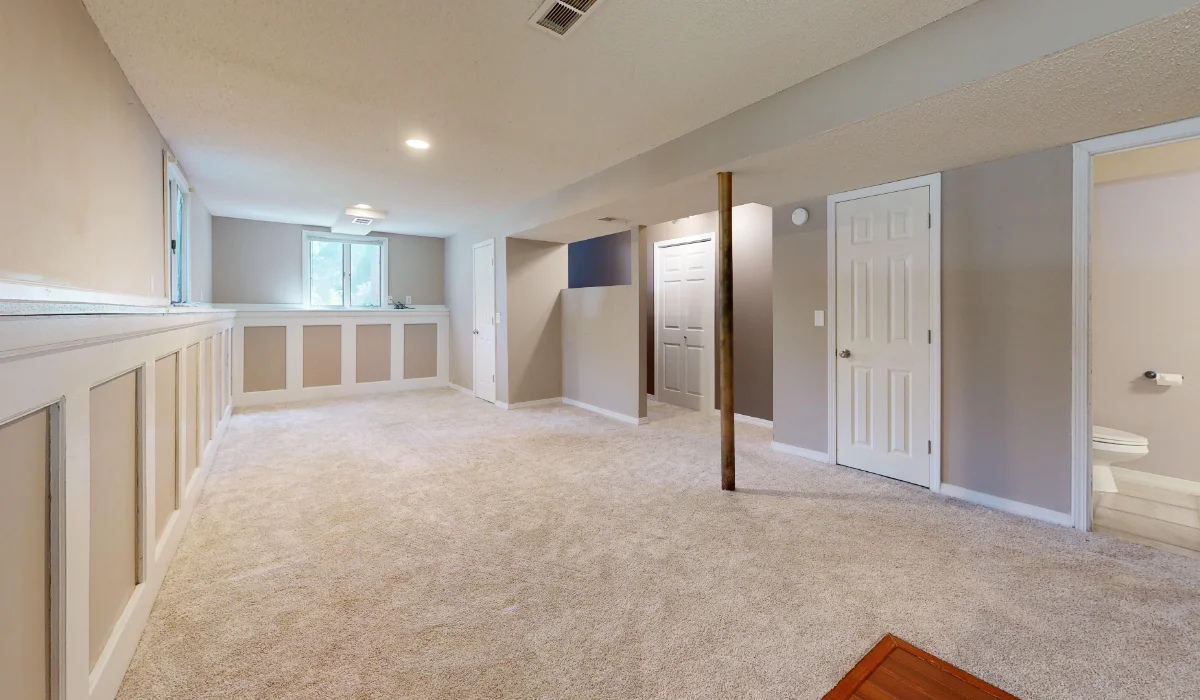
When several parts of a home feel outdated, uncomfortable, or inefficient, small upgrades often provide only temporary improvements. Many homeowners eventually reach a point where individual room renovations no longer solve the bigger problems. A complete approach creates better results and helps every area of the home work together.
Full home renovations give homeowners the opportunity to improve their entire living environment through one coordinated project. Instead of updating spaces separately over several years, a full renovation creates consistency, improves functionality, and delivers a more enjoyable living experience.
A well-planned renovation can completely change how a home looks, feels, and functions. It allows homeowners to address existing issues while creating spaces that better support their current lifestyle and future needs.
What Are Full Home Renovations?
Full home renovations involve upgrading multiple areas of a property as part of one comprehensive project. Rather than focusing on a single room, this approach looks at the home as a complete system. Every improvement contributes to a more functional and visually consistent result.
Many homeowners choose this approach when several areas need attention at the same time. Older finishes, inefficient layouts, worn materials, and lack of storage often affect multiple rooms throughout the property. A complete renovation addresses these concerns together rather than treating them as separate projects.
Full home renovations also allow homeowners to create a unified vision. Instead of having different styles and finishes in various rooms, the entire home can follow a cohesive design direction that feels intentional and well planned.
Why Homeowners Choose Full Home Renovations
Many homes change over time as families grow and lifestyles evolve. A layout that worked well years ago may no longer support daily activities efficiently. Renovation provides an opportunity to reshape the home around current needs rather than adapting to outdated spaces.
Homeowners also choose full home renovations when they want to eliminate recurring maintenance concerns. Addressing multiple issues at once often creates a stronger long-term solution than repeatedly fixing individual problems. This approach can save time, reduce disruption, and create better overall results.
Another common reason involves improving comfort and enjoyment. A home should feel welcoming, functional, and easy to live in. Full home renovations help create spaces that better support everyday routines while making the property more enjoyable for everyone who lives there.
Signs Your Home May Need a Full Renovation
Some homes show clear signs that isolated improvements are no longer enough. Multiple outdated rooms, inconsistent finishes, and poor space utilization often indicate the need for a larger renovation strategy. When these issues appear throughout the property, a complete renovation may provide the best solution.
Frequent repairs can also signal deeper problems. Homeowners sometimes spend significant time and money fixing individual areas without seeing lasting improvements. Full home renovations allow them to address underlying concerns and create a more reliable living environment.
Another common sign is a lack of functionality. If everyday tasks feel inconvenient because of poor layouts, limited storage, or inefficient room arrangements, a comprehensive renovation can significantly improve daily living.
Planning for Full Home Renovations
Successful renovations begin with careful preparation. Planning helps homeowners define goals, establish priorities, and make informed decisions before work starts. A clear plan also helps reduce uncertainty during the renovation process.
Start by identifying the most important improvements. Think about how each area of the home currently performs and where changes could create the greatest impact. Understanding these priorities helps guide every stage of the project.
It is also helpful to create a realistic schedule. Full home renovations involve many moving parts, and each phase requires proper coordination. A structured timeline helps maintain progress and sets clear expectations for the project.
Setting Goals for Your Renovation Project
Every successful renovation starts with a clear vision. Homeowners should identify the specific challenges they want to solve and the improvements they hope to achieve. This process creates direction and helps prevent unnecessary changes during construction.
Goals should focus on both functionality and appearance. A beautiful space should also support practical everyday use. Balancing these priorities helps create a home that looks appealing while remaining comfortable and efficient.
It is also useful to consider long-term needs. Renovation decisions often remain in place for many years. Planning with future requirements in mind helps homeowners make choices that continue delivering value over time.
Creating a Practical Budget
A budget serves as the foundation of every renovation project. It helps homeowners allocate resources effectively and prioritize the improvements that matter most. Clear budgeting also reduces financial surprises throughout the process.
When planning a budget, it is important to consider both expected and unexpected expenses. Renovation projects can reveal hidden issues that require attention. Maintaining a contingency reserve helps manage these situations without causing unnecessary stress.
A realistic budget also supports better decision-making. Homeowners can evaluate options more effectively when they understand their financial boundaries and overall project objectives.
Improving Home Functionality Through Renovation
One of the biggest advantages of full home renovations is the ability to improve how a home functions. Many properties contain spaces that no longer support modern lifestyles. Renovation creates opportunities to solve these challenges and improve everyday convenience.
Better functionality often comes from improving layouts, increasing storage, and creating more efficient room connections. Small changes across multiple areas can significantly improve how people move through and use the home.
These improvements have a direct impact on daily life. Homeowners often notice smoother routines, reduced clutter, and greater comfort once renovation work is complete.
Creating a Consistent Design Throughout the Home
A common issue in older homes involves inconsistent design choices made over many years. Different styles, materials, and finishes can make the property feel disconnected. Full home renovations help unify these elements into a cohesive whole.
Consistency creates a stronger visual experience. Rooms feel naturally connected when they share complementary design features and finishes. This approach helps the home feel more organized and intentional.
A unified design also improves the overall atmosphere of the property. Instead of experiencing abrupt transitions between spaces, homeowners enjoy a smoother flow throughout the home.
Maximizing Space During Full Home Renovations
Many homeowners believe they need more space when they actually need better use of existing space. Full home renovations provide an opportunity to evaluate how every area functions and identify opportunities for improvement.
Unused corners, inefficient layouts, and poor storage solutions often limit a home’s potential. Renovation allows homeowners to reorganize these areas and create a more effective living environment.
Improved space utilization can make the home feel larger and more comfortable without increasing its physical size. Better organization and smarter layouts often produce noticeable results.
Long-Term Benefits of Full Home Renovations
The benefits of a complete renovation extend far beyond the construction phase. Homeowners often enjoy improved comfort, better functionality, and greater satisfaction with their living environment for many years.
A comprehensive renovation also creates consistency across the property. Instead of dealing with multiple unfinished projects, homeowners gain a complete solution that addresses the home as a whole.
Another long-term advantage involves adaptability. A thoughtfully renovated home can better accommodate changing needs, making it easier to enjoy the property well into the future.
Common Challenges During Full Home Renovations
Every renovation project presents challenges, but preparation helps reduce their impact. Understanding potential obstacles allows homeowners to make informed decisions and respond effectively when issues arise.
Budget adjustments represent one of the most common concerns. Unexpected discoveries can require additional work. Planning for these possibilities helps maintain project stability and reduces stress.
Timeline changes can also occur during larger renovations. Flexibility and realistic expectations help homeowners navigate these situations while keeping the project moving forward.
How to Get the Best Results from Full Home Renovations
The most successful renovations begin with clear goals and thoughtful planning. Homeowners who take time to understand their needs often achieve better outcomes and make more confident decisions throughout the project.
Consistency is another key factor. Every improvement should support the overall vision for the home. This approach creates stronger results and helps maximize the value of the renovation.
Focusing on long-term usability also improves outcomes. Decisions should support daily living while remaining practical for future needs. A balanced approach creates spaces that continue delivering value long after the renovation is complete.
Are Full Home Renovations Worth It?
For many homeowners, full home renovations provide a practical solution to multiple challenges. Rather than addressing issues one room at a time, a comprehensive renovation creates a coordinated transformation throughout the entire property.
The process allows homeowners to improve functionality, create design consistency, and make better use of available space. These improvements often enhance comfort and contribute to a more enjoyable living environment.
When planned carefully, full home renovations can completely reshape how a home supports everyday life. They provide an opportunity to create a property that feels modern, functional, and aligned with the needs of the people who live there.
Frequently Asked Questions
What are full home renovations?
Full home renovations involve upgrading multiple areas of a home through one coordinated project to improve functionality, appearance, and overall comfort.
How long do full home renovations usually take?
The timeline depends on the size and complexity of the project. Proper planning helps establish realistic expectations and maintain steady progress.
Why do homeowners choose full home renovations?
Many homeowners choose this approach to improve functionality, update outdated spaces, create design consistency, and solve multiple issues at the same time.
How can I prepare for full home renovations?
Start by identifying your goals, setting a realistic budget, creating a timeline, and prioritizing the improvements that will have the greatest impact.
What is the biggest advantage of full home renovations?
The biggest advantage is the ability to transform the entire home into a cohesive, functional, and comfortable living environment through one comprehensive project.