
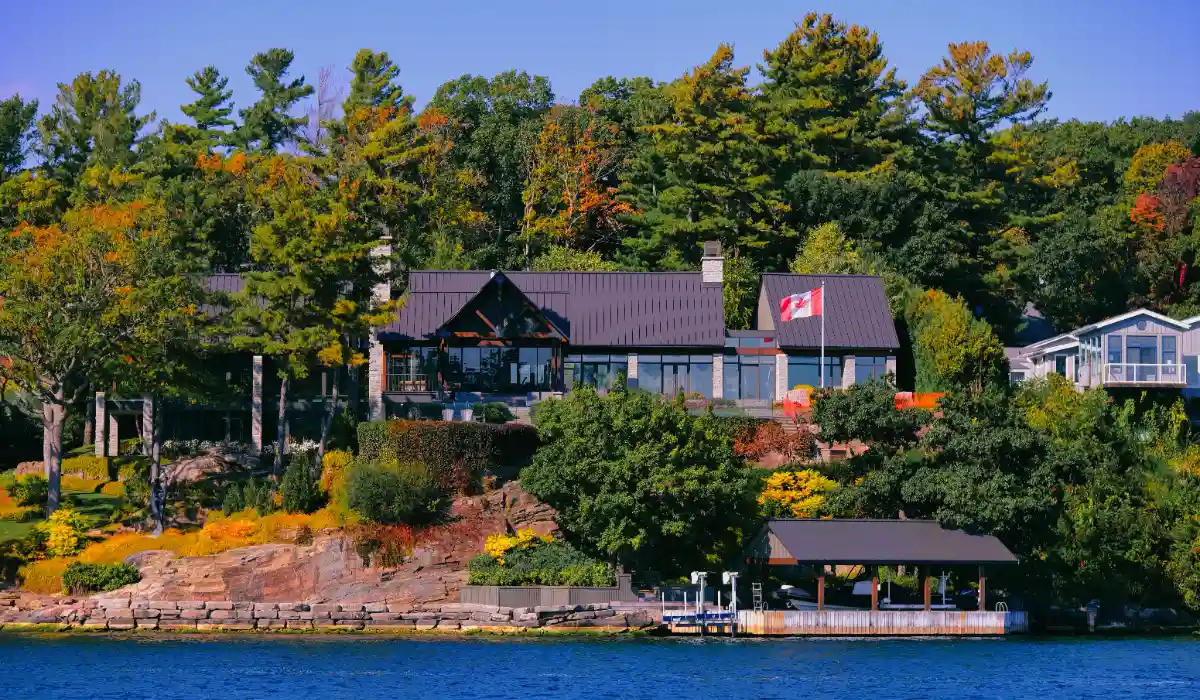
Building a home beside a lake offers a lifestyle that many homeowners dream about. The peaceful surroundings, open views, and direct connection to nature create a unique living experience that traditional residential properties often cannot match. However, lake home construction requires much more planning than a standard home build. The location introduces environmental conditions and site challenges that demand careful attention throughout the project.
A successful lake home combines attractive design, strong structural performance, and long-term durability. Every decision, from selecting the building site to choosing materials and designing outdoor spaces, affects how the home performs over time. When homeowners understand the construction process, they can make informed decisions that protect their investment and improve their quality of life.
This guide explains the key elements of lake home construction and provides practical insights that help homeowners create a comfortable, lasting, and functional waterfront property.
Understanding Lake Home Construction
Lake home construction involves designing and building a residence on property located near a lake. While the goal remains the same as any residential construction project, the surrounding environment creates additional considerations that influence planning, design, and construction methods.
Waterfront properties often experience higher humidity levels, changing weather conditions, and unique soil characteristics. These factors affect foundation requirements, building materials, drainage systems, and long-term maintenance needs. Builders must account for these conditions from the earliest planning stages.
Many homeowners focus primarily on lake views and outdoor enjoyment. While these features are important, successful lake home construction also prioritizes structural integrity, moisture protection, and efficient site development. Balancing these priorities helps create a home that remains comfortable and durable for years to come.
Choosing the Ideal Site for Lake Home Construction
The building site forms the foundation of every successful lake home project. Selecting the right location can simplify construction, improve long-term performance, and reduce future maintenance concerns.
A thorough site evaluation helps identify factors such as soil stability, elevation, drainage patterns, and access points. These characteristics influence both construction costs and structural design. Properties with favorable site conditions often provide greater flexibility during the design process.
The relationship between the home and the lake also deserves careful consideration. Homeowners often want strong visual connections to the water while maintaining appropriate distance and elevation. Proper placement can improve views, reduce moisture exposure, and create a more comfortable living environment.
A well-chosen site also supports future usability. Outdoor spaces, walkways, and gathering areas become easier to develop when the property layout supports efficient planning from the beginning.
Creating a Functional Lake Home Design
A thoughtful design allows homeowners to enjoy both the beauty of the lake and the comfort of a well-organized home. Every room should contribute to the overall living experience while supporting practical daily activities.
Open floor plans remain popular because they maximize natural light and create stronger connections between interior spaces. Large windows often become a central design feature because they bring lake views into the home and create a brighter atmosphere.
Design decisions should also support long-term functionality. Storage areas, utility spaces, and traffic flow patterns deserve as much attention as aesthetic features. A well-designed home feels comfortable and efficient throughout every season.
Flexibility is another important consideration. A lake home often serves multiple purposes, including everyday living, entertaining guests, and relaxing near the water. A versatile floor plan accommodates these different needs without sacrificing comfort or convenience.
Foundation Planning for Long-Term Stability
The foundation supports every aspect of the home’s structure. For this reason, foundation planning represents one of the most important stages of lake home construction.
Lakefront properties may present varying soil conditions that require specialized foundation solutions. Proper site preparation helps ensure that the foundation remains stable despite environmental changes over time. Investing in quality groundwork often prevents costly repairs in the future.
Moisture management also plays a critical role during foundation construction. Water movement around the property can affect soil stability and structural performance if builders do not address it properly. Effective planning reduces these risks and supports long-term durability.
A strong foundation provides peace of mind. It creates a stable base that supports the home’s structure while protecting it from common environmental challenges associated with waterfront locations.
Managing Water and Drainage Around the Home
Water management remains one of the most important aspects of lake home construction. Even beautiful lakefront properties can experience problems if drainage systems do not function properly.
Rainwater must move away from the home efficiently. Proper grading helps direct water away from the structure and reduces the likelihood of standing water near critical building components. Small drainage issues can gradually develop into larger structural concerns when left unresolved.
Drainage planning should begin before construction starts. Site development, landscaping, and foundation design all contribute to the property’s overall water management strategy. A coordinated approach helps protect the home throughout its lifespan.
Homeowners who prioritize drainage often experience fewer maintenance issues and lower repair costs. Effective water management protects both the structure and the surrounding property.
Selecting Durable Materials for Lake Home Construction
Material selection significantly influences the long-term performance of a lake home. Waterfront environments expose building materials to moisture, temperature changes, and weather conditions that can accelerate wear.
Durable materials help reduce maintenance requirements and extend the life of the structure. Products designed to withstand moisture exposure often perform better in lakefront settings and maintain their appearance longer.
Exterior materials deserve particular attention because they face direct environmental exposure. Choosing quality products during construction can help homeowners avoid frequent repairs and replacements later.
Interior materials also play a role in long-term performance. Durable finishes and moisture-resistant products contribute to a more resilient living environment and support the overall longevity of the home.
Maximizing Natural Light and Lake Views
One of the greatest advantages of lake home construction is the opportunity to enjoy scenic waterfront views every day. A thoughtful design strategy helps homeowners capture these views without sacrificing comfort or efficiency.
Large windows can transform interior spaces by bringing natural light deep into the home. Bright living areas often feel larger, more welcoming, and more connected to the surrounding environment. Strategic window placement can highlight the most attractive views while maintaining privacy.
Designers often position key living spaces toward the lake to strengthen the connection between indoor and outdoor environments. This approach helps homeowners enjoy the property’s natural beauty from multiple areas of the home.
Natural light also contributes to a more enjoyable living experience. Well-lit interiors create a welcoming atmosphere and reduce reliance on artificial lighting during daylight hours.
Designing Outdoor Living Spaces
Outdoor areas often become a central feature of lake home construction. These spaces provide opportunities for relaxation, social gatherings, and everyday enjoyment of the waterfront setting.
Successful outdoor living areas feel connected to the home rather than separated from it. Easy access between indoor and outdoor spaces improves usability and encourages more frequent use throughout the year.
Covered areas can provide comfort during changing weather conditions while maintaining access to lake views. Thoughtful planning helps create outdoor environments that remain functional and inviting.
The best outdoor spaces support a variety of activities. Whether homeowners prefer quiet relaxation or entertaining guests, well-designed outdoor areas add significant value to the overall property experience.
Improving Energy Efficiency in a Lake Home
Energy efficiency contributes to comfort, sustainability, and long-term operating savings. Lake home construction provides opportunities to incorporate efficient design strategies from the beginning.
Proper insulation helps maintain consistent indoor temperatures throughout changing weather conditions. A well-insulated home reduces energy demands and creates a more comfortable living environment.
Window placement and overall home orientation also influence energy performance. Thoughtful design decisions help balance natural light, scenic views, and temperature control.
Efficient construction practices support both homeowner comfort and long-term property value. Energy-conscious design continues to provide benefits throughout the life of the home.
Planning for Long-Term Maintenance
Every lake home benefits from a proactive maintenance strategy. Waterfront environments can expose structures to additional moisture and weather-related stress, making regular upkeep especially valuable.
Routine inspections help identify potential concerns before they become major repair projects. Exterior surfaces, drainage systems, and moisture-prone areas should receive consistent attention throughout the year.
Preventive maintenance often costs significantly less than major repairs. Addressing small issues early helps preserve the home’s appearance and structural condition.
A well-maintained lake home continues to deliver comfort, beauty, and reliability for many years. Consistent care protects both the property and the homeowner’s investment.
Common Challenges in Lake Home Construction
Lake home construction offers many advantages, but it also presents unique challenges that require careful planning and execution. Understanding these challenges allows homeowners to prepare more effectively.
Moisture exposure remains one of the most common concerns. Without proper planning, water can affect building materials, foundations, and exterior surfaces over time. Effective construction methods help minimize these risks.
Site conditions can also create complexity during the construction process. Sloped terrain, drainage considerations, and varying soil characteristics often require customized solutions.
Material performance becomes increasingly important in waterfront environments. Selecting durable products and implementing quality construction practices help overcome many of the challenges associated with lakefront living.
The Value of Careful Planning in Lake Home Construction
Every successful lake home begins with a clear vision and a detailed plan. Careful preparation helps homeowners make informed decisions and avoid unnecessary complications throughout the construction process.
When site selection, design, drainage, foundation planning, and material choices work together, the result is a home that performs well and delivers lasting value. Each element contributes to the overall quality and durability of the property.
Lake home construction is more than building a house near water. It involves creating a comfortable, resilient living environment that complements the surrounding landscape while meeting the practical needs of everyday life.
With thoughtful planning and attention to detail, homeowners can create a lake home that provides beauty, comfort, and long-term satisfaction for generations.
Frequently Asked Questions
What is lake home construction?
Lake home construction is the process of designing and building a home on or near a lakefront property while addressing site conditions, drainage, moisture management, and structural requirements.
Why does drainage matter in lake home construction?
Proper drainage helps move water away from the home, protecting the foundation and reducing the risk of moisture-related damage.
What should homeowners consider when choosing a lake home site?
Homeowners should evaluate soil conditions, elevation, drainage patterns, accessibility, and lake views before selecting a building location.
How can a lake home maximize waterfront views?
Strategic placement of windows, living spaces, and outdoor areas helps capture lake views while maintaining comfort and functionality.
Are durable materials important for lake home construction?
Yes. Durable materials help resist moisture, weather exposure, and long-term wear, reducing maintenance needs and supporting the longevity of the home.