
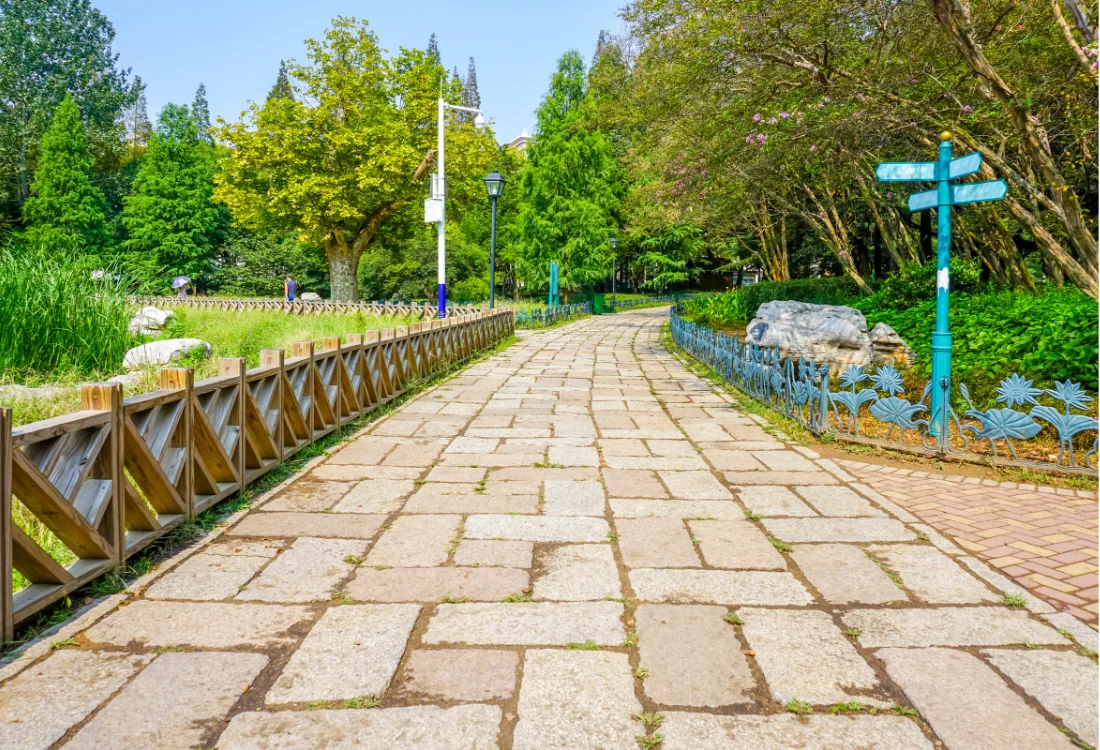
A driveway does not need to cost a fortune to look attractive, functional, and well planned. With the right material, layout, edging, and maintenance strategy, homeowners can create a durable entrance without investing in an expensive custom installation. The best inexpensive driveway ideas focus on controlling material costs, reducing unnecessary site preparation, choosing practical surfaces, and matching the design to the property’s needs.
Gravel often provides one of the most budget-friendly options, while asphalt, concrete, pavers, and other surfaces can work well when homeowners want different levels of durability and visual appeal. The cheapest driveway material, however, is not always the best choice for every property. Drainage, climate, soil conditions, vehicle traffic, slope, maintenance requirements, and local installation costs all affect the long-term value of a driveway.
This guide explores affordable driveway options from several angles so you can make a confident decision. You will learn which driveway materials can reduce upfront costs, how to make a cheap driveway look better, what mistakes can increase expenses, and how to balance installation price with long-term performance.
Key Takeaways
- Gravel offers one of the simplest ways to create an affordable driveway.
- Recycled and locally available materials can sometimes reduce project costs.
- A strong base matters as much as the visible driveway surface.
- Good drainage helps protect inexpensive driveways from premature damage.
- Edging can make a basic driveway look more polished and defined.
- Asphalt can offer a useful balance between cost and durability.
- Concrete works well when homeowners want a cleaner, longer-lasting surface.
- Pavers can create an upscale appearance when used strategically rather than across a large area.
- Driveway size, slope, soil, labor, and preparation can significantly affect the final price.
- The lowest upfront cost does not always produce the lowest long-term cost.
What Makes a Driveway Affordable?
An affordable driveway usually combines a reasonably priced surface with efficient preparation and a simple design. Material represents only one part of the project because excavation, grading, drainage, base preparation, edging, delivery, equipment, and labor can also affect the budget. A driveway that uses inexpensive materials can still become costly if the site requires substantial preparation.
The best inexpensive driveway ideas therefore consider the entire project rather than focusing only on the price of the top surface. For example, gravel can cost less than many hard surfaces, but poor grading can cause ruts, erosion, and standing water. Spending carefully on the foundation and drainage can prevent expensive repairs later.
Factors That Influence Driveway Cost
Before choosing a material, consider these factors:
- Driveway length and width
- Existing soil conditions
- Required excavation
- Drainage requirements
- Driveway slope
- Material availability
- Delivery distance
- Local labor rates
- Vehicle weight and traffic
- Required edging
- Maintenance requirements
- Local permits or regulations
A smaller driveway with easy access may cost substantially less than a long driveway on a steep or poorly drained site. Always evaluate the entire installation rather than comparing material prices alone.
15 Inexpensive Driveway Ideas
Homeowners have several ways to lower driveway costs while maintaining a clean and functional appearance. The right choice depends on whether you prioritize the lowest initial investment, easier maintenance, appearance, or long-term durability.
1. Gravel Driveway
Gravel remains one of the most popular inexpensive driveway ideas because it offers a relatively simple installation process and flexible design possibilities. Crushed stone, crushed gravel, and similar aggregate materials can create a practical surface for cars while keeping initial material costs manageable.
A properly prepared gravel driveway can also provide good drainage because water can move through the aggregate instead of remaining on the surface. However, gravel can shift over time, especially on slopes or heavily trafficked areas. Periodic raking and adding fresh material can help maintain an even surface.
2. Recycled Asphalt Driveway
Recycled asphalt, sometimes called reclaimed asphalt pavement, can provide a useful alternative to traditional asphalt. The material contains previously used asphalt that gets processed and reused for another driveway application.
The appearance differs from freshly installed asphalt, but many homeowners appreciate its practical character and potentially lower cost. Availability and pricing vary by region, so compare local suppliers before choosing this option.
3. Asphalt Driveway
Asphalt can offer a strong balance between affordability and durability. It creates a smooth surface that works particularly well for homeowners who want a more finished appearance than loose gravel can provide.
Although asphalt usually costs more upfront than basic gravel, it can make sense when you want a relatively low-maintenance driveway with a clean appearance. Proper installation and periodic maintenance can help extend its useful life.
4. Concrete Driveway
Concrete often costs more initially than gravel, but a basic concrete driveway can still represent a practical long-term investment. Homeowners can control costs by selecting a straightforward layout and avoiding unnecessary decorative finishes.
Plain concrete offers a clean appearance and does not require loose aggregate replenishment. However, proper base preparation, joint placement, drainage, and installation quality remain important for performance.
5. Concrete With Gravel Accents
You do not necessarily need to cover the entire driveway with decorative materials. A simple concrete driveway can become more visually interesting with gravel borders or strategically placed aggregate areas.
This approach can create visual definition without paying for premium materials across the entire surface. It also provides an opportunity to coordinate the driveway with landscaping and walkways.
6. Gravel With Paver Edging
Combining inexpensive gravel with paver edging can create a polished driveway without the cost of installing pavers across the whole surface. The pavers establish clear boundaries and help contain the gravel.
This combination works especially well when the driveway borders lawns, planting beds, or sidewalks. Choose durable edging and install it securely so vehicle tires do not constantly disturb the border.
7. Permeable Gravel Driveway
A permeable gravel driveway can help manage rainwater because water can move through spaces between aggregate pieces. This approach can work particularly well when drainage represents an important consideration.
The driveway still needs proper grading and a suitable base. Permeability does not automatically solve every drainage issue, especially when the underlying soil drains poorly.
8. Crushed Stone Driveway
Crushed stone creates a compactable surface that can feel more stable than larger decorative gravel. Different stone sizes can serve different purposes within the driveway structure.
Using a suitable base layer followed by a compactable top layer can improve stability and reduce movement. Ask a local aggregate supplier which material works best for driveway applications in your area.
9. Dirt or Soil Driveway
A dirt driveway represents one of the lowest-cost possibilities when site conditions allow it. It may work for temporary access roads, rural properties, low-traffic areas, or situations where homeowners plan to upgrade the surface later.
However, dirt can become muddy during wet weather and dusty during dry conditions. Ruts and erosion can also develop quickly without proper grading and drainage.
10. Grass Driveway
A grass driveway can combine vehicle access with a softer landscape appearance. Reinforcement systems or structured grid products can help support vehicle loads while allowing grass to grow through designated spaces.
This option requires careful planning because ordinary lawn grass may not tolerate repeated vehicle traffic. Consider it primarily where traffic remains light and the site can support appropriate drainage.
11. Gravel and Grass Combination
Combining gravel lanes with grass strips can create a natural-looking driveway while reducing the amount of hard surfacing required. The layout can also visually break up a large driveway.
This style works particularly well for rural, cottage, farmhouse, and natural landscape designs. Keep the transition between grass and gravel clearly defined to simplify mowing and maintenance.
12. Reclaimed Brick Driveway
Reclaimed brick can create a distinctive driveway when homeowners can source it affordably. Rather than installing brick over a huge area, consider using reclaimed brick as borders, bands, or small accent sections.
The main challenge involves sourcing enough consistent material. Different brick thicknesses and conditions can complicate installation, so inspect reclaimed materials carefully before purchasing.
13. Gravel With a Circular or Curved Layout
A basic gravel driveway can look more intentional when the layout follows the home’s architecture and landscape. Curved driveways, turning areas, or gentle transitions can create visual interest without requiring expensive decorative surfaces.
Keep vehicle turning requirements in mind when planning curves. A beautiful layout still needs enough width and maneuvering space for everyday vehicles.
14. Narrow Driveway With Strategic Landscaping
Reducing unnecessary driveway width can lower material requirements while leaving more room for landscaping. However, never reduce the width below what vehicles need for safe and comfortable access.
Use low-maintenance planting beds, simple edging, and ground cover around the driveway to make the overall entrance feel more finished. The landscape can provide much of the visual appeal without increasing driveway surfacing costs.
15. Simple Driveway With Decorative Borders
A simple driveway does not have to look unfinished. Adding a narrow decorative border can give the entrance a deliberate architectural edge.
Consider gravel borders, paver strips, brick edging, stone edging, or planting beds. Using a premium material only at the perimeter can produce a more expensive appearance while keeping the majority of the driveway economical.
Cheapest Driveway Materials Compared
The cheapest driveway material varies according to local supply, labor, site conditions, and project size. Gravel often ranks among the most affordable choices, but reclaimed asphalt, dirt, and other locally available materials may compete depending on location.
The table below provides a general comparison rather than fixed prices because installation costs can vary significantly between regions.
| Material | Initial Cost Level | Maintenance | Appearance | Durability |
| Dirt | Very low | High | Basic | Low to moderate |
| Gravel | Low | Moderate | Natural | Moderate |
| Crushed stone | Low | Moderate | Clean/natural | Moderate to high |
| Recycled asphalt | Low to moderate | Low to moderate | Simple | Moderate to high |
| Asphalt | Moderate | Low to moderate | Smooth | High |
| Concrete | Moderate to high | Low | Clean | High |
| Pavers | High | Moderate | Premium | High |
These categories help with general comparison, but homeowners should obtain local quotes before making a final decision. Delivery costs can change the economics of aggregate materials, while site preparation can significantly affect hardscape projects.
Gravel Driveway Ideas for a Low Budget
Gravel deserves special attention because it can work across many property styles and budgets. A gravel driveway can look intentional when you select an appropriate aggregate, create a strong base, establish clear edges, and maintain consistent grading.
Avoid choosing gravel based only on color or appearance. Driveway aggregate needs to perform under vehicle loads and weather conditions. Angular crushed stone often locks together more effectively than smooth, rounded decorative stone.
Use Multiple Aggregate Layers
A reliable gravel driveway typically uses more than one material layer. A suitable foundation provides stability while the upper layer supplies the finished appearance.
The exact depth and materials depend on soil, climate, drainage, and expected traffic. For larger projects, consult a qualified local contractor or aggregate supplier rather than guessing the required base.
Add Affordable Edging
Edging can dramatically improve the appearance of a low-cost driveway. It keeps aggregate from spreading into lawns and planting beds while giving the driveway a more defined shape.
You can consider concrete edging, pavers, natural stone, brick, or other durable materials. Select edging based on both appearance and its ability to withstand vehicle contact.
Maintain the Surface
Gravel requires periodic attention because traffic and weather can redistribute the material. Raking can restore the surface after minor displacement, while adding fresh aggregate can replenish areas that become thin.
Address drainage problems quickly because flowing water can carry gravel away. A driveway that stays properly graded generally requires less corrective work.
How to Make a Cheap Driveway Look Expensive
An affordable driveway can look high-end when the design feels deliberate. The biggest visual improvement often comes from clean edges, consistent materials, appropriate proportions, and good surrounding landscaping.
You do not need to use premium materials everywhere. Instead, use visual accents where they create the greatest impact.
Focus on the Entrance
The area near the garage or street receives the most visual attention. A simple border, attractive gate, planting bed, or carefully designed entry can make an inexpensive surface feel more sophisticated.
Use repetition to connect the driveway with other exterior elements. Matching edging materials with a walkway or retaining wall can create a cohesive appearance.
Keep the Edges Clean
Messy edges can make even expensive driveway materials look poorly maintained. Regularly remove weeds, repair displaced aggregate, and maintain a clear boundary between the driveway and surrounding landscape.
A crisp edge can make a basic gravel driveway appear significantly more finished.
Use Landscaping Strategically
Plants can soften large areas of hardscape and make an inexpensive driveway feel integrated into the property. Choose plants that suit the local climate and the amount of sunlight available.
Avoid placing large plants too close to vehicle paths. Roots, branches, and falling debris can create maintenance issues when landscaping lacks sufficient clearance.
Affordable Driveway Ideas for Small Homes
Small properties often benefit from simple driveway designs because large amounts of paving can overwhelm the front yard. A narrow but functional driveway can preserve valuable landscape space while reducing the amount of material required.
Gravel, compact asphalt layouts, and simple concrete surfaces can work well when the driveway follows the home’s proportions. The design should prioritize vehicle access before decorative details.
For a small yard, consider:
- A straight driveway with defined borders
- A compact gravel parking area
- A narrow driveway with planting strips
- A simple concrete surface
- Gravel with paver edging
- A driveway integrated with a small front walkway
- A minimal turning area where space allows
Avoid complicated patterns that make a small entrance appear visually crowded. Simple geometry usually creates a cleaner and more spacious effect.
How to Reduce Driveway Installation Costs
Reducing costs does not mean choosing the cheapest material at every stage. Smart budgeting means spending money on the elements that protect performance while reducing unnecessary decorative features.
1. Compare Several Local Quotes
Get multiple quotes for substantial driveway projects. Ask each contractor to explain material quantities, excavation, base preparation, drainage, edging, labor, and cleanup.
A quote that appears cheap may exclude important work. Compare the scope of each proposal rather than comparing only the final number.
2. Choose Locally Available Materials
Transportation can influence the cost of heavy aggregate materials. A locally available stone may provide better overall value than a visually similar material that requires long-distance delivery.
Ask local suppliers about common driveway aggregates and available recycled materials.
3. Keep the Layout Simple
Complex curves, intricate patterns, multiple materials, and extensive decorative details can increase labor and installation time. A simple layout can still look attractive when you use good proportions and clean borders.
Simple design also tends to make future maintenance easier.
4. Avoid Unnecessary Oversizing
A driveway that exceeds your practical needs consumes additional materials and increases installation costs. Measure the space carefully and determine how many vehicles need access.
Do not sacrifice required maneuvering room just to save money, but avoid paying for unused surface area.
5. Invest in Drainage
Drainage may appear like an additional expense, but ignoring water can create much larger problems. Water can wash away gravel, weaken the base, contribute to cracking, and cause erosion.
Address water movement during the design stage rather than waiting until the driveway fails.
Driveway Materials: Pros and Cons
Every driveway material comes with trade-offs. The best choice depends on your priorities rather than one universal definition of affordability.
| Material | Main Advantages | Main Disadvantages |
| Gravel | Affordable, easy to repair, good drainage | Moves, needs periodic replenishment |
| Crushed stone | Compactable, practical, natural appearance | Requires maintenance |
| Recycled asphalt | Reuses material, relatively durable | Appearance varies |
| Asphalt | Smooth, durable, clean appearance | Requires professional installation |
| Concrete | Durable, low routine maintenance | Higher initial cost, can crack |
| Pavers | Attractive, repairable sections | Higher material and labor costs |
| Dirt | Very inexpensive | Mud, dust, erosion, ruts |
Think about total ownership rather than installation price alone. A driveway that costs slightly more initially may require fewer repairs and less maintenance over time.
Common Driveway Mistakes to Avoid
Even the best inexpensive driveway ideas can fail when homeowners overlook basic construction principles. The surface material receives most of the attention, but the layers underneath determine much of the driveway’s stability.
Skipping Proper Base Preparation
A weak base can lead to settlement, ruts, cracking, and uneven surfaces. The required preparation depends on soil conditions and the driveway material.
Never assume that simply spreading a new surface over an unstable area will solve the problem.
Ignoring Drainage
Water represents one of the most common threats to driveway performance. Poor drainage can move gravel, soften soil, erode edges, and damage the driveway structure.
Evaluate where rainwater currently travels before construction begins.
Choosing Decorative Gravel That Does Not Suit Traffic
Some attractive decorative stones do not compact or interlock effectively. Smooth stones can move more easily under tires, creating ruts and scattered material.
Select aggregate based on driveway performance rather than appearance alone.
Making the Driveway Too Narrow
Saving money by creating an impractically narrow driveway can cause frustration every day. Vehicles need enough room to enter, exit, open doors, and maneuver safely.
Plan around the vehicles that actually use the property.
Forgetting Long-Term Maintenance
Every driveway needs some maintenance. Gravel may require raking and replenishment, asphalt may eventually need sealing or repairs, and concrete may require crack management.
Include maintenance in your budget from the beginning.
A Practical Driveway Planning Checklist
Use this checklist before selecting a material or requesting quotes:
| Planning Item | What to Check |
| Site size | Measure length and width |
| Traffic | Estimate daily vehicle use |
| Soil | Identify weak or unstable areas |
| Drainage | Determine where rainwater flows |
| Slope | Assess whether the site needs special drainage |
| Material | Compare durability and appearance |
| Base | Determine required preparation |
| Edging | Decide how to contain the surface |
| Maintenance | Estimate recurring requirements |
| Budget | Include labor, delivery, and preparation |
| Quotes | Compare equivalent project scopes |
| Regulations | Check local requirements if applicable |
This checklist can help prevent expensive surprises and make contractor conversations more productive.
Step-by-Step Process for an Affordable Driveway
A successful driveway project starts before any material reaches the property. Following a logical process can help you control both quality and costs.
Measure the Area
Determine the driveway’s length, width, and approximate surface area. Include parking or turning sections if the design requires them.
Accurate measurements help suppliers estimate material quantities and reduce waste.
Evaluate the Site
Look for standing water, soft soil, existing cracks, erosion, steep slopes, and areas where vehicles already struggle to travel.
These conditions may influence the appropriate driveway material and preparation method.
Determine the Budget
Establish a realistic project budget that includes preparation, materials, delivery, labor, drainage, edging, and future maintenance.
Leave some room for unexpected site conditions.
Compare Materials
Compare gravel, crushed stone, recycled asphalt, asphalt, concrete, and other suitable options.
Do not select a surface until you understand how it behaves under local weather and traffic conditions.
Plan Drainage
Determine how rainwater will move across and away from the driveway. Proper grading and drainage can protect the surface and surrounding property.
For complex drainage situations, seek advice from an experienced local professional.
Prepare the Base
Remove unsuitable material and establish a stable foundation appropriate for the chosen surface.
This stage often determines how well the driveway performs over time.
Install the Surface
Place and compact the selected driveway material according to appropriate installation practices.
Avoid rushing this stage simply to reduce labor costs.
Finish the Edges
Add suitable edging or define the boundary between the driveway and landscape.
This final detail can significantly improve both appearance and maintenance.
Cost Comparison: Where Your Budget Goes
Homeowners often focus heavily on the surface material, but the overall budget can include several different components.
| Cost Category | Why It Matters |
| Site preparation | Removes unsuitable material and creates a stable surface |
| Base material | Supports the driveway and improves stability |
| Surface material | Creates the visible driving surface |
| Delivery | Heavy materials can require substantial transportation |
| Labor | Installation complexity affects project cost |
| Drainage | Helps prevent water-related damage |
| Edging | Contains materials and improves appearance |
| Maintenance | Creates recurring ownership costs |
The precise cost distribution differs by project. A small gravel driveway may spend a larger share of the budget on delivery and preparation, while a concrete or asphalt project may have more substantial labor and installation expenses.
Best Inexpensive Driveway Ideas by Situation
There is no single best driveway for every property. Instead, match the surface to your specific conditions.
| Situation | Suitable Option to Consider | Why |
| Lowest initial budget | Gravel | Simple and generally economical |
| Natural appearance | Gravel or crushed stone | Blends with landscaping |
| Smooth surface | Asphalt | Comfortable vehicle access |
| Long-term hard surface | Concrete | Durable and low routine maintenance |
| Rural property | Gravel | Practical and visually appropriate |
| Premium appearance on a budget | Gravel with paver edging | Uses accents strategically |
| Temporary driveway | Dirt or basic gravel | Lower initial commitment |
| Water-conscious design | Permeable aggregate | Allows water movement through the surface |
Use this table as a starting point rather than a final prescription. Local soil, rainfall, slope, traffic, and material availability can change the best choice.
Expert Tips for Getting Better Value
An affordable driveway should deliver value beyond its initial price. These practical tips can help you spend money where it matters most.
Prioritize the foundation. A good surface cannot compensate for a poorly prepared base. Spend strategically on grading, compaction, and drainage.
Choose materials based on local conditions. A material that works well in one region may perform differently elsewhere because of weather, soil, or availability.
Keep decorative upgrades targeted. Use pavers, stone, or landscaping as accents rather than covering the entire driveway with premium materials.
Consider maintenance before installation. Ask yourself whether you are comfortable replenishing gravel, repairing asphalt, or managing concrete cracks.
Compare complete project estimates. Make sure each quote includes comparable preparation, materials, labor, delivery, and finishing work.
Plan for water. Do not treat drainage as an afterthought. Proper water management can protect both the driveway and surrounding landscape.
Conclusion
The best inexpensive driveway ideas do more than reduce the initial installation bill. They balance material price, site preparation, durability, appearance, maintenance, and long-term performance. Gravel and crushed stone can provide highly practical solutions for homeowners who want an affordable driveway, while recycled asphalt, asphalt, concrete, and selective paver accents can offer different combinations of durability and visual appeal.
Before choosing a driveway material, evaluate your property’s soil, slope, drainage, traffic, available space, and local material costs. A simple design with strong preparation and clean edging can often look far better than an expensive driveway that lacks thoughtful planning. Most importantly, avoid cutting costs where those savings can create structural or drainage problems later.
When comparing inexpensive driveway ideas, think beyond the lowest quote. Choose a surface that fits your property, budget, maintenance expectations, and everyday vehicle needs. A carefully planned affordable driveway can improve curb appeal, provide reliable access, and deliver strong value for years.
Frequently Asked Questions
1. What is the cheapest driveway material?
Gravel is often one of the most affordable driveway materials and offers easy installation and maintenance.
2. What are the best inexpensive driveway ideas?
Gravel, crushed stone, recycled asphalt, and simple concrete are popular affordable driveway options.
3. How can I make a cheap driveway look better?
Use clean edging, simple landscaping, and attractive gravel or stone to improve the driveway’s appearance.
4. Is gravel cheaper than concrete?
Yes, gravel usually costs less upfront than concrete, although it may require more regular maintenance.