
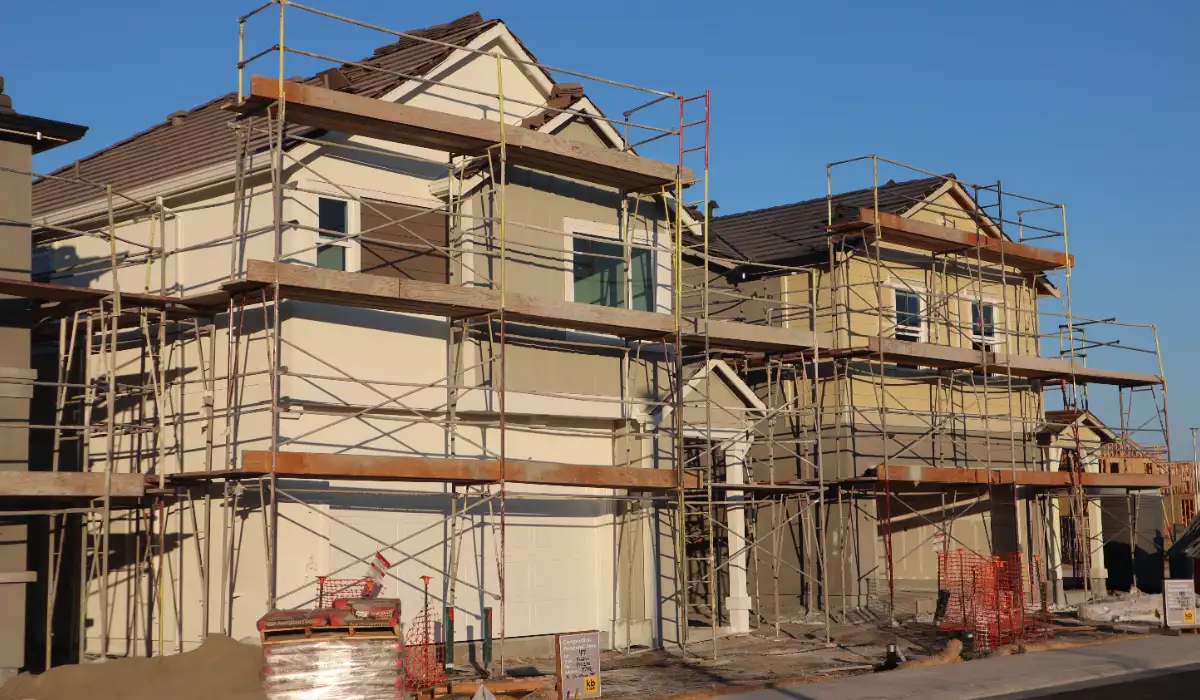
Fireproof home construction helps homeowners create a safer living environment by reducing the risk of fire damage. While no house can guarantee complete protection from every fire event, the right construction methods can slow fire spread, protect structural components, and improve overall safety. This approach focuses on using fire-resistant materials and thoughtful building practices that work together as a complete system.
Many homeowners invest heavily in design, comfort, and durability, yet they often overlook fire resistance during the planning stage. Fire can cause devastating structural damage within a short period. By incorporating fire-resistant construction features from the beginning, homeowners can build a stronger and more resilient property that offers long-term protection.
Modern fireproof home construction combines proven materials, smart design strategies, and careful installation techniques. Every component plays a role, from the roof and exterior walls to windows, doors, and structural framing. When these elements work together, they create a home that is better prepared to resist fire exposure.
Understanding Fireproof Home Construction
Fireproof home construction focuses on reducing a building’s vulnerability to fire. The goal is not simply to prevent ignition but also to slow the movement of flames, heat, and smoke throughout the structure. This added resistance gives occupants more time to respond and can help reduce the extent of property damage.
A fire-resistant home uses materials that withstand high temperatures and maintain structural stability for longer periods. Builders select these materials because they do not ignite easily and can help contain fire within a limited area. This approach strengthens the overall performance of the home during a fire emergency.
Effective fireproof home construction considers the entire structure rather than a single feature. A fire-resistant roof alone cannot provide maximum protection if the walls, windows, or other components remain vulnerable. A complete strategy creates multiple layers of defense throughout the home.
Why Fireproof Home Construction Is Becoming More Important
Homeowners increasingly recognize the value of building with fire resistance in mind. Fire damage often leads to costly repairs, long recovery periods, and significant disruptions to daily life. Fire-resistant construction helps reduce these risks by strengthening the building before an emergency occurs.
A well-constructed fire-resistant home can perform better under extreme conditions. The structure may remain stable for longer, helping to protect both occupants and property. This added durability creates greater peace of mind for homeowners who want reliable protection.
Long-term value also plays an important role. Fire-resistant construction materials often offer excellent durability and longevity. As a result, homeowners may benefit from reduced maintenance needs while gaining improved protection against fire-related damage.
Choosing Fire-Resistant Building Materials
Material selection forms the foundation of fireproof home construction. Fire-resistant materials help prevent rapid flame spread and support the structural integrity of the building. Choosing the right materials during construction can significantly improve overall fire performance.
Concrete remains one of the most trusted materials for fire-resistant construction. It does not burn and can tolerate high temperatures without losing its structural strength quickly. Builders often use concrete for walls, foundations, and other critical components that require long-lasting durability.
Brick and stone also provide excellent fire resistance. These materials create durable barriers that help prevent fire from spreading through exterior surfaces. Their natural resistance to heat makes them valuable choices for homeowners seeking greater protection.
Steel serves as another important option in fireproof home construction. Since steel does not burn, it contributes to a stronger structural framework. When combined with appropriate fire-protection measures, steel can improve the home’s overall resilience during a fire event.
The Role of Fire-Resistant Roofing Systems
The roof represents one of the most important protective layers of any home. During a fire, roofs often face direct exposure to heat, flames, and airborne embers. A vulnerable roofing system can allow fire to enter the structure and spread rapidly.
Fire-resistant roofing materials help reduce this risk. Metal roofing, concrete tiles, clay tiles, and other fire-rated systems provide greater protection against ignition. These materials can withstand higher temperatures and contribute to a safer building envelope.
Roof installation quality also matters. Even the most fire-resistant roofing material may perform poorly if gaps, joints, or vulnerable areas remain exposed. Proper installation ensures that the roofing system functions as an effective barrier against fire threats.
Exterior Walls and Their Impact on Fire Resistance
Exterior walls provide another critical line of defense in fireproof home construction. They separate the interior living space from external fire exposure and help prevent flames from reaching structural components.
Builders often choose concrete, brick, stone, or other fire-resistant materials for exterior wall systems. These materials resist ignition and can slow heat transfer into the building. Their performance becomes especially valuable during prolonged fire exposure.
Strong exterior walls also help maintain structural stability. When fire-resistant wall systems remain intact, they support the overall integrity of the home and reduce the likelihood of extensive damage. This makes wall construction a key part of any fire-resistant building strategy.
Fire-Resistant Windows and Doors
Windows and doors play a major role in overall fire performance. These openings can become vulnerable points if they fail under extreme heat conditions. Fireproof home construction addresses these risks through careful product selection.
Fire-rated doors help slow the movement of fire between different areas of a home. Their specialized construction provides additional time before flames can spread through door openings. This containment capability strengthens the home’s overall fire resistance.
Fire-resistant glazing systems offer improved protection compared to standard glass. These systems withstand higher temperatures and help maintain the integrity of window openings. Together, fire-rated doors and windows contribute to a more complete fire-resistant design.
Preventing Fire Spread Through Structural Design
Good fireproof home construction extends beyond materials alone. Structural design decisions can influence how quickly fire moves through a building. A well-planned layout helps reduce opportunities for rapid fire spread.
Builders often focus on creating stronger fire barriers between different sections of the home. These barriers help compartmentalize the structure and limit the movement of flames. By slowing fire progression, the home gains valuable additional protection.
Design simplicity can also improve fire resistance. Complex structural features sometimes create hidden pathways that allow fire to travel more easily. A thoughtful design approach minimizes these vulnerabilities and supports overall building safety.
The Importance of Sealing Gaps and Openings
Small gaps may seem insignificant during construction, but they can create pathways for heat, smoke, and flames. Fireproof home construction pays close attention to these details because even minor openings can weaken fire resistance.
Builders carefully seal utility penetrations, joints, and connection points throughout the structure. Proper sealing helps preserve the effectiveness of fire-resistant barriers and prevents unwanted fire movement. These measures strengthen the building’s overall performance.
Attention to detail often separates average construction from highly effective fire-resistant construction. When every gap receives proper treatment, the entire system performs more reliably under fire conditions.
Creating a Complete Fire-Resistant Building Envelope
The building envelope includes all exterior components that separate indoor spaces from outdoor conditions. In fireproof home construction, this envelope serves as the home’s primary protective shell.
A strong fire-resistant envelope combines roofing, walls, windows, doors, and connection points into a unified system. Each component supports the others, creating multiple layers of protection against fire exposure.
When builders focus on the complete envelope rather than isolated features, they achieve better overall performance. This integrated approach strengthens fire resistance across the entire structure and helps improve long-term durability.
Long-Term Advantages of Fireproof Home Construction
Fireproof home construction offers benefits that extend well beyond fire protection. Many fire-resistant materials also provide excellent durability, strength, and longevity. These qualities support long-term property performance and value.
Homeowners often appreciate the confidence that comes from knowing their property includes additional protective features. A stronger structure can better withstand unexpected events while reducing concerns about severe fire damage.
Durable construction materials may also require less frequent replacement over time. This combination of resilience and longevity makes fireproof home construction a practical investment for homeowners focused on long-term property protection.
Common Mistakes That Reduce Fire Resistance
Many construction projects include fire-resistant features but fail to create a complete fire-resistant system. This often happens when homeowners focus heavily on one area while overlooking other vulnerable components.
For example, installing a fire-resistant roof without considering wall performance may leave critical weaknesses in the structure. Similarly, high-quality materials may not deliver their full benefits if installation standards fall short.
Another common mistake involves ignoring small details such as gaps, penetrations, and connection points. These seemingly minor areas can compromise the effectiveness of fire-resistant construction. A comprehensive approach helps avoid these problems and improves overall protection.
Building a Stronger Future With Fireproof Home Construction
Fireproof home construction represents a proactive approach to home safety. Rather than reacting to fire risks after construction is complete, homeowners can build protection directly into the structure from the start.
A successful fire-resistant home relies on quality materials, careful design, and proper installation. Each component contributes to a larger system that helps resist fire and reduce potential damage. This coordinated approach delivers stronger and more reliable protection.
When homeowners prioritize fire-resistant construction, they create homes that offer greater resilience, durability, and peace of mind. The result is a safer structure designed to perform better when exposed to fire-related challenges.
FAQs
What is fireproof home construction?
Fireproof home construction uses fire-resistant materials and building methods that help slow fire spread and reduce structural damage.
Which materials are commonly used in fireproof home construction?
Concrete, brick, stone, steel, and fire-rated roofing materials are among the most commonly used fire-resistant construction materials.
Can a home be completely fireproof?
No. A home cannot be completely fireproof, but fire-resistant construction can significantly improve safety and reduce fire damage.
Why are fire-resistant roofs important?
Fire-resistant roofs help protect the structure from heat, flames, and embers that could otherwise ignite vulnerable roofing materials.
Do fire-resistant windows and doors make a difference?
Yes, fire-rated doors and fire-resistant windows help slow fire spread and improve the overall performance of a fire-resistant home.