
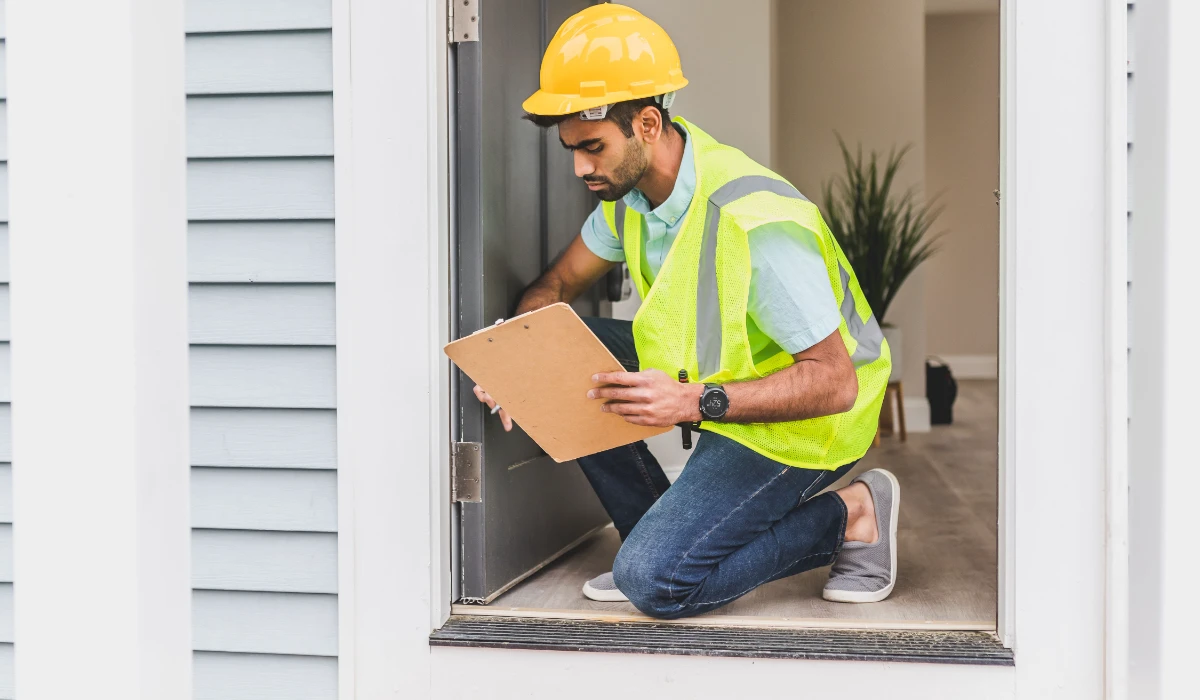
A well-prepared home renovation checklist can save you time, money, and frustration. Many homeowners begin a renovation project with a clear vision but struggle when unexpected decisions, delays, and costs appear. A detailed checklist helps you stay organized and gives you a practical roadmap from the planning stage to the final walkthrough.
Whether you plan a minor refresh or a major renovation, the right preparation makes a significant difference. Instead of making rushed decisions during the project, you can follow a structured process that keeps everything under control. A home renovation checklist allows you to manage priorities, monitor progress, and achieve better results with less stress.
Why a Home Renovation Checklist Matters
A renovation project involves dozens of decisions that can affect the final outcome. Without a clear plan, it becomes easy to overlook important tasks or spend money on items that do not support your main goals. A home renovation checklist creates structure and helps you move through each stage with confidence.
A checklist also reduces uncertainty throughout the project. When you know what comes next, you can prepare for upcoming tasks and avoid last-minute surprises. This organized approach improves efficiency and helps maintain momentum from start to finish.
Many renovation problems begin with poor planning rather than poor execution. A detailed checklist helps identify potential issues before they become expensive mistakes. It serves as a reliable reference point whenever questions or challenges arise during the renovation process.
Define Your Renovation Goals Before Anything Else
Every successful renovation starts with a clear objective. Before creating budgets or timelines, identify exactly what you want to achieve. Knowing your goals helps you make better decisions and prevents unnecessary changes later.
Think carefully about the improvements that will provide the greatest benefit. Some homeowners focus on functionality, while others prioritize comfort, appearance, or additional space. Defining these priorities early creates a stronger foundation for the entire project.
Written goals make the planning process easier. When every decision connects back to a specific objective, you reduce confusion and maintain consistency throughout the renovation. Clear goals also help you evaluate whether the project remains on track as work progresses.
Create a Detailed Home Renovation Budget
A realistic budget is one of the most important parts of any home renovation checklist. Before spending money, determine how much you can comfortably invest in the project. A clear financial plan helps prevent overspending and supports smarter decision-making.
Break your budget into categories so you can track expenses more accurately. Separating costs allows you to understand where your money goes and identify areas where adjustments may be necessary. This level of visibility provides greater financial control throughout the renovation.
Unexpected expenses can appear during almost any renovation project. Hidden issues, material changes, and additional work requirements can increase costs quickly. Including a contingency amount in your budget helps you handle these situations without disrupting the project.
Build a Realistic Renovation Timeline
A practical timeline helps keep expectations realistic and prevents unnecessary stress. Renovations often involve multiple stages, and each stage requires proper planning. A timeline creates order and allows you to track progress more effectively.
Avoid creating a schedule that leaves no room for adjustments. Material delays, unforeseen issues, and scheduling changes can affect project timelines. Adding flexibility helps you manage these challenges without feeling overwhelmed.
Regularly reviewing your timeline allows you to identify potential delays early. When you monitor progress consistently, you can make adjustments before small issues become major setbacks. This proactive approach keeps the project moving forward.
List Every Task in Your Home Renovation Checklist
A complete task list provides a clear picture of the work involved. Instead of relying on memory, document every activity that needs attention. This simple step reduces the risk of overlooking important details.
Breaking large tasks into smaller actions makes the renovation feel more manageable. Small milestones create a sense of progress and help maintain motivation throughout the project. They also make it easier to track completed work.
A task list serves as a valuable reference throughout the renovation. Whenever uncertainty arises, you can review your checklist and verify what has been completed and what still requires attention. This level of organization improves overall project management.
Plan Materials Early to Avoid Delays
Material planning plays a major role in renovation success. Waiting until the last minute to choose materials can create unnecessary delays and increase stress. Early planning gives you more time to compare options and make informed decisions.
Create a detailed list of everything required for the project. Reviewing material needs in advance helps ensure that important items are available when needed. This preparation reduces interruptions and supports a smoother workflow.
Quality should remain a key consideration during material selection. While budget matters, durability and long-term performance often provide better value. Choosing reliable materials can help reduce future maintenance concerns and improve overall satisfaction.
Organize Your Home Before Renovation Begins
Preparing your home before work starts can significantly improve efficiency. A clean and organized environment allows renovation activities to proceed more smoothly. It also helps protect your belongings from dust, debris, and accidental damage.
Remove unnecessary items from work areas whenever possible. Creating additional space allows easier movement and reduces obstacles during the renovation process. This preparation contributes to a safer and more productive work environment.
Organization also makes daily life more manageable while renovation work takes place. Knowing where important items are located helps reduce frustration and prevents disruptions to your routine. Small preparation efforts can make a noticeable difference.
Monitor Progress Throughout the Renovation
Many homeowners focus heavily on planning but pay less attention to monitoring progress. Regular reviews help ensure that the project continues to align with your goals, budget, and timeline. Consistent oversight allows you to address concerns quickly.
Track completed tasks and compare them against your checklist. This process helps identify delays, budget changes, or unexpected developments before they become larger problems. Early action often prevents costly corrections later.
Documentation can also be valuable during this stage. Keeping records of decisions, updates, and completed work provides clarity and creates a useful reference throughout the renovation journey. Good documentation supports better project management.
Review Budget Performance Regularly
Budget tracking should continue throughout the entire renovation process. Costs can change over time, and regular reviews help you stay aware of your financial position. Monitoring expenses reduces the likelihood of unpleasant surprises.
Compare actual spending against your planned budget frequently. This comparison highlights areas where costs remain under control and areas that may require adjustments. Staying informed allows you to make proactive decisions.
Financial discipline often determines whether a renovation remains successful from start to finish. Careful budget monitoring helps maintain balance between project goals and available resources. It also supports long-term financial confidence.
Conduct a Thorough Final Inspection
The final inspection represents one of the most important stages of any home renovation checklist. Before considering the project complete, review every finished area carefully. This process helps ensure that all planned work meets expectations.
Take time to examine details rather than rushing through the review. Small issues can become frustrating if they remain unnoticed until after the project ends. A careful inspection helps identify concerns while they can still be addressed.
Document any remaining items that require attention. Creating a final punch list helps ensure that unfinished details receive proper follow-up. This organized approach supports a smoother project completion process.
Keep Your Home Renovation Checklist Updated
A checklist should remain a living document throughout the renovation. Projects often evolve as new information becomes available. Updating your checklist helps maintain accuracy and relevance.
Adding new tasks, revised schedules, and budget adjustments keeps your planning organized. These updates provide a more realistic picture of the project’s current status. Accurate information supports better decision-making.
An updated checklist also improves communication and accountability. Everyone involved can understand current priorities and upcoming tasks. This clarity reduces confusion and supports a more efficient renovation process.
Common Home Renovation Checklist Mistakes to Avoid
One of the most common mistakes is starting a renovation without a complete plan. Many homeowners focus on the exciting parts of the project while overlooking preparation. This approach often leads to delays, confusion, and higher costs.
Another frequent issue involves underestimating expenses. A budget that leaves no room for unexpected costs can quickly create financial pressure. Careful planning helps reduce this risk and provides greater flexibility.
Some homeowners also neglect regular progress reviews. Without ongoing monitoring, small problems can develop into larger challenges. Consistent oversight helps maintain control and improves overall project outcomes.
Final Thoughts
A comprehensive home renovation checklist transforms a complex project into a manageable process. It helps you establish goals, control spending, organize tasks, monitor progress, and maintain focus from beginning to end. Every step of the checklist contributes to a more organized and efficient renovation experience.
The most successful renovations rarely happen by accident. They result from careful planning, realistic expectations, and consistent attention to detail. By following a structured home renovation checklist, you can reduce stress, avoid common mistakes, and achieve results that meet your expectations.
FAQs
What is a home renovation checklist?
A home renovation checklist is a structured planning tool that helps organize goals, budgets, tasks, timelines, and progress throughout a renovation project.
Why is a home renovation checklist important?
It helps prevent costly mistakes, improves organization, and ensures that important tasks are completed in the correct order.
When should I create a home renovation checklist?
You should create your checklist before any renovation work begins so you can plan effectively and avoid unnecessary delays.
How often should I update my home renovation checklist?
Review and update it regularly throughout the project whenever tasks, budgets, or timelines change.
Can a home renovation checklist help reduce renovation stress?
Yes. A detailed checklist provides clarity, improves organization, and helps you stay in control throughout the renovation process.