
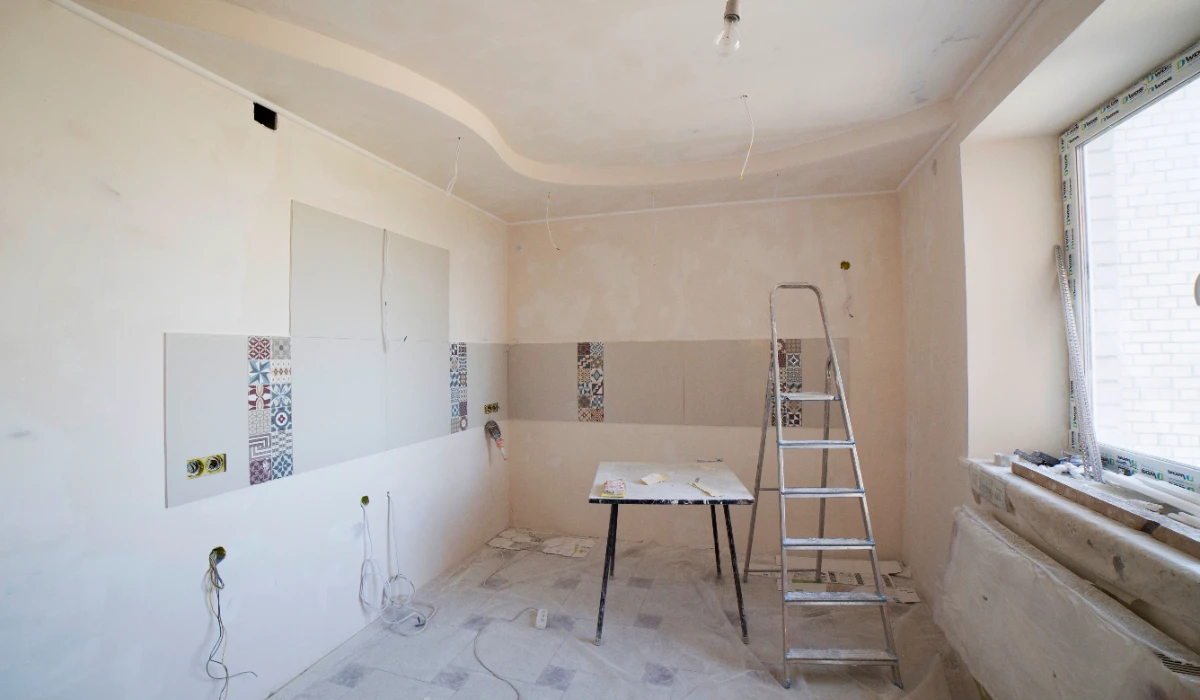
Understanding home renovation terminology can make a huge difference when planning or discussing a renovation project. Many homeowners hear unfamiliar words during conversations and struggle to understand what they mean. This confusion can lead to misunderstandings, delays, and unnecessary stress.
Learning common renovation terms helps you communicate more effectively and understand project discussions with confidence. When you know the language used throughout a renovation project, you can make informed decisions and follow every stage more easily.
This guide explains essential home renovation terminology in simple language. Each term plays a role in helping homeowners understand renovation-related conversations, documents, and project planning.
Why Understanding Home Renovation Terminology Is Important
Home renovation projects involve many technical discussions. Even a simple conversation may include terms that seem unfamiliar to someone without renovation experience. Understanding these terms helps homeowners stay informed and participate confidently in discussions.
Clear communication often leads to smoother project planning. When everyone understands the same terminology, there is less room for confusion and misinterpretation. This helps create realistic expectations and improves overall project coordination.
Knowledge of home renovation terminology also helps homeowners review documents, estimates, and project details more effectively. Instead of guessing the meaning of certain words, they can confidently understand what is being discussed and make better decisions throughout the process.
Understanding Basic Home Renovation Terminology
Many renovation terms serve as the foundation for project discussions. Learning these basic definitions helps homeowners understand more advanced terminology later.
The term renovation refers to improving, updating, or restoring an existing space. Renovation work generally focuses on enhancing appearance, functionality, or condition while keeping the primary structure intact. Homeowners often use this term when discussing upgrades and improvements.
Another common term is remodel. Remodeling typically involves changing the layout, design, or purpose of a space. While people sometimes use renovation and remodel interchangeably, each term describes a different type of project objective.
Renovation Planning Terminology
Planning creates the foundation for a successful renovation project. Several important terms appear during this stage and help define expectations from the beginning.
A scope of work outlines everything included in a project. It describes the tasks, responsibilities, materials, and expected outcomes. A clearly defined scope of work helps prevent misunderstandings because everyone understands what the project includes.
A project timeline establishes the expected schedule for renovation activities. This timeline helps homeowners understand when specific stages should begin and end. It also provides a useful reference point for tracking progress throughout the project.
The term budget refers to the total amount allocated for renovation expenses. A budget often includes labor, materials, and other project-related costs. Understanding this term helps homeowners manage spending more effectively.
Cost and Pricing Terminology
Cost-related terms frequently appear during renovation planning. Understanding these terms helps homeowners evaluate project expenses with greater confidence.
An estimate provides an approximate projection of renovation costs. Estimates help homeowners understand potential expenses before committing to a project. While estimates offer guidance, final costs may differ depending on project conditions and requirements.
A quote generally provides a more detailed price for specific work. Quotes often include itemized costs and clearly define what services or materials are included. Reviewing quotes carefully helps homeowners understand exactly what they are paying for.
A change order documents modifications made after the original plan receives approval. Changes may affect project costs, schedules, or materials. Understanding change orders helps homeowners track revisions and maintain project clarity.
Construction Phase Terminology
Many important renovation terms become relevant once construction begins. These terms help describe different stages and components of the renovation process.
Demolition refers to removing existing materials, surfaces, or components before new work begins. This stage prepares the area for upcoming improvements and often represents one of the first steps in a renovation project.
Framing involves creating the structural framework that supports walls, ceilings, and other components. Framing serves as the foundation for many renovation activities and helps establish the shape and layout of the space.
The term structural refers to elements that support the building and maintain stability. Structural components require careful consideration because they directly affect the integrity of the property.
Structural Terminology in Home Renovation
Structural terminology often appears during discussions about major renovation work. Understanding these terms helps homeowners better understand how buildings function.
A load-bearing element supports weight from other parts of the structure. Because these elements play a critical role in stability, any modifications require careful evaluation and planning.
Structural discussions may also involve references to support systems and framework components. These elements work together to maintain strength and distribute weight throughout the building.
Understanding structural terminology allows homeowners to follow important conversations and recognize why certain renovation decisions require additional planning or review.
Flooring-Related Terminology
Flooring discussions often include terminology that homeowners encounter during renovation planning and installation.
The subfloor is the layer located beneath the finished flooring surface. It provides stability and support for the flooring installed above it. A strong subfloor contributes to durability and long-term performance.
The term finished flooring refers to the visible flooring surface that people walk on every day. This layer represents the final appearance of the floor and plays a major role in the overall look of the space.
Understanding flooring terminology helps homeowners communicate more effectively when discussing flooring conditions, repairs, or upgrades.
Material Terminology
Materials play an important role in renovation projects. Understanding common material-related terms helps homeowners make informed decisions during planning.
A specification describes the exact characteristics, requirements, or standards for materials used in a project. Specifications help ensure consistency and clarity throughout the renovation process.
The term finish refers to the final visible appearance of a surface or material. Finishes contribute significantly to the overall look and feel of a renovated space.
Material terminology often appears in project documents and discussions. Understanding these terms helps homeowners better evaluate options and understand project expectations.
Fixture and Installation Terminology
Home renovation terminology frequently includes words related to installed components and finishing details.
A fixture is a permanent item attached to a property. Fixtures remain in place and form part of the completed renovation. Understanding this term helps homeowners distinguish between permanent and movable items.
Installation refers to the process of placing and securing materials, fixtures, or components within a space. Proper installation ensures functionality, durability, and long-term performance.
Discussions involving fixtures and installations often occur throughout multiple stages of a renovation project. Familiarity with these terms improves communication and project understanding.
Finish and Detail Terminology
The final stages of renovation often focus on details that improve appearance and create a polished result.
Trim consists of finishing elements that create clean transitions between surfaces. Trim enhances visual appeal while helping different components fit together neatly.
Millwork refers to crafted wood components used within a space. These elements often contribute both style and functionality. Understanding millwork terminology helps homeowners recognize the role these details play in the finished project.
Surface preparation involves cleaning, repairing, and preparing areas before finishing work begins. Proper preparation supports better results and improves the overall quality of the finished space.
Project Completion Terminology
Several important terms appear near the end of a renovation project. Understanding these terms helps homeowners evaluate project completion more effectively.
The completion date identifies the planned date when renovation work should finish. This milestone helps homeowners track progress and manage expectations.
A punch list contains remaining tasks, corrections, or minor adjustments that require attention before the project is fully complete. Reviewing the punch list ensures all agreed work meets expectations.
The final walkthrough allows homeowners to review completed work carefully. This process provides an opportunity to identify any remaining concerns and confirm that project requirements have been met.
How Home Renovation Terminology Improves Communication
Understanding home renovation terminology creates stronger communication throughout a project. Homeowners can ask better questions, understand explanations more easily, and participate confidently in discussions.
Clear terminology also helps reduce misunderstandings. When everyone uses the same language, project expectations become easier to define and manage.
The more familiar homeowners become with renovation terminology, the easier it becomes to navigate project planning, construction discussions, and final project reviews.
Frequently Asked Questions
What is home renovation terminology?
Home renovation terminology refers to the common words and phrases used during renovation planning, construction, budgeting, and project completion.
Why should homeowners learn home renovation terminology?
Understanding home renovation terminology improves communication, reduces confusion, and helps homeowners make informed decisions throughout a renovation project.
What is the difference between a renovation and a remodel?
A renovation improves or restores an existing space, while a remodel changes the layout, design, or function of that space.
What does scope of work mean?
A scope of work outlines all tasks, responsibilities, materials, and expectations included in a renovation project.
What is a punch list in home renovation terminology?
A punch list is a document that identifies small remaining tasks, corrections, or adjustments that need completion before the project officially concludes.