
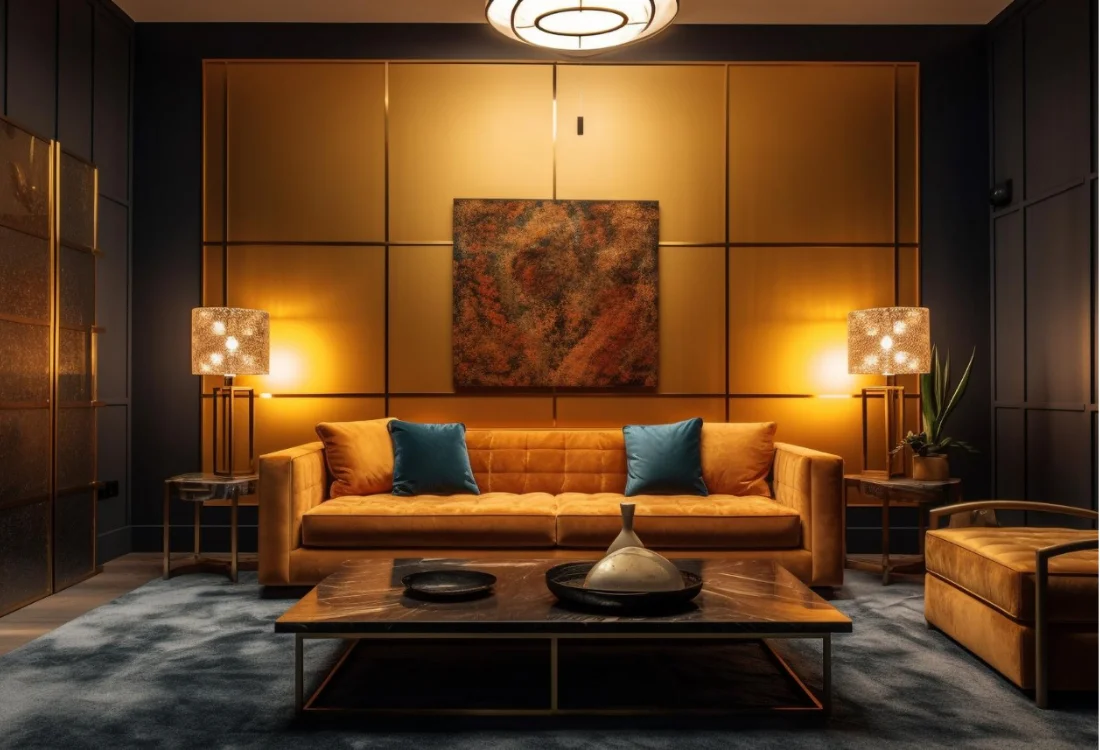
If you have ever wondered how to be better at interior design Mintpaldecor, the answer begins with understanding that great interior design is much more than choosing attractive furniture or matching paint colors. Successful spaces combine beauty, comfort, functionality, and personality. Whether you are decorating your first apartment, renovating your family home, or working as an aspiring designer, learning professional interior design principles can dramatically improve your results.
Many people believe that professional-looking interiors require expensive furniture and unlimited budgets. In reality, the best-designed homes are carefully planned. Designers pay close attention to room layout, lighting, color harmony, furniture scale, texture, and everyday usability. Even small improvements in these areas can transform an ordinary room into one that feels welcoming and stylish.
This comprehensive guide explains how to be better at interior design Mintpaldecor through practical strategies that anyone can apply. You will discover the core principles of interior design, common decorating mistakes, room planning techniques, color selection methods, furniture arrangement tips, and expert recommendations for creating timeless interiors. Whether your style is modern, minimalist, traditional, Scandinavian, industrial, or contemporary, these ideas will help you make confident design decisions.
Key Takeaways
- Interior design starts with planning before decorating.
- Balance function and aesthetics in every room.
- Understand color psychology before selecting paint.
- Choose furniture that fits the room’s proportions.
- Layer lighting instead of relying on one fixture.
- Use textures to create warmth and depth.
- Avoid overcrowding your space.
- Follow timeless design principles instead of short-lived trends.
- Create visual balance through thoughtful furniture placement.
- Practice regularly to become better at interior design.
Why Interior Design Skills Matter
Interior design influences how people live, work, relax, and interact within a space. Well-designed interiors improve comfort, productivity, mood, and even property value. Understanding how to be better at interior design Mintpaldecor allows you to create environments that are both visually appealing and practical for daily life.
Good design also helps homeowners maximize available space. Instead of filling rooms with unnecessary furniture, thoughtful planning ensures every piece serves a purpose. This approach creates organized, comfortable interiors that remain functional over time.
Professional designers rarely make random decorating decisions. Every color, texture, material, and furniture placement supports an overall design vision. Developing this mindset is one of the biggest steps toward becoming a better interior designer.
Benefits of Improving Interior Design Skills
| Benefit | Impact |
| Better functionality | Easier everyday living |
| Improved aesthetics | More attractive rooms |
| Higher property value | Better resale appeal |
| Enhanced comfort | More enjoyable spaces |
| Better organization | Less clutter |
| Increased confidence | Smarter decorating decisions |
Understanding the Core Principles of Interior Design
Learning how to be better at interior design Mintpaldecor begins with mastering the fundamental principles that professional designers apply in every project. These principles work together to create visually balanced, practical, and inviting interiors regardless of decorating style.
Instead of copying designs from magazines or social media, understanding these concepts allows you to adapt ideas to your own home. This knowledge also helps you recognize why certain rooms feel comfortable and cohesive while others appear cluttered or unbalanced.
Balance
Balance distributes visual weight evenly throughout a room. Without balance, a space can feel awkward or uncomfortable.
Three common types include:
- Symmetrical balance
- Asymmetrical balance
- Radial balance
Symmetrical layouts work well in traditional interiors, while asymmetrical arrangements often create a more relaxed and modern appearance.
Harmony
Harmony ensures that furniture, colors, materials, and accessories work together. Every design element should contribute to one unified style instead of competing for attention.
When colors, textures, and shapes complement each other, the room feels peaceful and organized.
Contrast
Contrast creates visual interest. Designers achieve contrast by combining:
- Light and dark colors
- Smooth and rough textures
- Curved and straight lines
- Large and small furniture
- Matte and glossy finishes
Using contrast thoughtfully prevents interiors from looking flat or monotonous.
Emphasis
Every room should have a focal point that naturally attracts attention.
Common focal points include:
- Fireplace
- Feature wall
- Large artwork
- Statement lighting
- Picture window
- Custom shelving
Once a focal point is established, arrange furniture to support it rather than competing with it.
Interior Design Principles at a Glance
| Principle | Purpose | Example |
| Balance | Stability | Even furniture placement |
| Harmony | Cohesion | Coordinated colors |
| Contrast | Visual interest | Dark sofa with light walls |
| Rhythm | Flow | Repeating textures |
| Scale | Proper sizing | Furniture fits room |
| Emphasis | Focus | Statement artwork |
Building the Right Interior Design Mindset
One overlooked aspect of how to be better at interior design Mintpaldecor is developing the mindset of a designer rather than simply decorating a room. Professionals begin by understanding the purpose of the space before choosing colors or furniture.
Ask yourself questions such as:
- Who uses this room?
- What activities happen here?
- What problems need solving?
- How much natural light enters?
- What atmosphere should the room create?
Answering these questions helps guide every design decision and reduces costly mistakes.
Professional designers also avoid purchasing furniture impulsively. Instead, they create a plan, establish measurements, and develop a consistent vision before shopping.
Learning Different Interior Design Styles
A better understanding of design styles helps you identify what you genuinely like instead of following temporary trends. One of the easiest ways to improve how to be better at interior design Mintpaldecor is by studying the characteristics of popular interior styles.
Modern
Modern interiors focus on clean lines, open layouts, simple furniture, and minimal ornamentation. Neutral color palettes dominate, while natural materials like wood, leather, and glass provide warmth.
Scandinavian
Scandinavian interiors emphasize simplicity, functionality, and natural light. White walls, light wood flooring, cozy textiles, and practical furniture create welcoming living spaces.
Contemporary
Contemporary design evolves with current trends while maintaining simplicity. It often combines neutral colors with bold accents, innovative lighting, and clean architectural details.
Traditional
Traditional interiors feature elegant furniture, rich wood finishes, classic architectural details, layered fabrics, and timeless decorative elements.
Industrial
Industrial interiors highlight exposed brick, concrete, steel, reclaimed wood, and open spaces. This style celebrates raw materials while maintaining functionality.
Popular Interior Design Styles Comparison
| Style | Colors | Materials | Best For |
| Modern | Neutral | Glass, steel, wood | Minimal homes |
| Scandinavian | White, gray | Wood, linen | Small spaces |
| Contemporary | Neutral with accents | Mixed materials | Modern living |
| Traditional | Warm colors | Hardwood, fabrics | Elegant interiors |
| Industrial | Dark neutrals | Brick, steel | Urban homes |
Choosing the Perfect Color Palette
Color selection often determines whether a room feels relaxing, energetic, spacious, or cozy. Professionals know that learning how to be better at interior design Mintpaldecor requires understanding how colors influence mood and perception.
Rather than selecting colors randomly, designers create cohesive palettes using a dominant color, supporting colors, and carefully chosen accent shades. This balanced approach gives every room a polished and intentional appearance.
Neutral colors remain a popular foundation because they pair easily with changing furniture, artwork, and decorative accessories. Shades such as warm white, beige, soft gray, and greige create flexibility while allowing accent colors to stand out.
For homeowners who enjoy bold interiors, colorful walls can become striking focal points. Deep blue, forest green, charcoal, and terracotta add personality without overwhelming the room when balanced with lighter furnishings and natural textures.
Understanding Color Psychology
Each color influences emotions differently, making color psychology an essential part of interior design planning.
| Color | Common Feeling | Ideal Spaces |
| Blue | Calm and relaxing | Bedrooms, offices |
| Green | Fresh and balanced | Living rooms, home offices |
| White | Clean and open | Small rooms |
| Gray | Sophisticated | Modern interiors |
| Beige | Warm and welcoming | Family rooms |
| Yellow | Cheerful and energetic | Kitchens, breakfast areas |
Choosing colors based on both personal preference and room function helps create interiors that are visually appealing and comfortable to live in.
Planning Room Layout Like a Professional
One of the biggest differences between an average decorator and an experienced designer is room planning. If you truly want to master how to be better at interior design Mintpaldecor, you must learn to plan a room before buying furniture or accessories. A thoughtful layout improves traffic flow, maximizes usable space, and creates a comfortable environment for everyone.
Professional designers begin every project by measuring the room carefully. They identify windows, doors, electrical outlets, heating vents, and architectural features before placing furniture. This process prevents costly mistakes and ensures every item fits the space correctly. Even a beautiful sofa can look out of place if it blocks a walkway or overwhelms a small room.
A successful layout also considers how people use the room every day. A living room designed for entertaining will have different furniture arrangements than one intended for reading or family movie nights. By matching the layout to the room’s purpose, you create spaces that are both attractive and practical.
Start with a Focal Point
Every room should have one clear focal point. This is the feature that naturally draws attention when someone enters the space. Without a focal point, furniture placement often feels random and disconnected.
Common focal points include:
- A fireplace
- A large window with a view
- A statement artwork
- A television wall
- A custom bookshelf
- An accent wall
- A beautiful dining table
Arrange the main furniture around the focal point while keeping conversation and comfort in mind.
Create Comfortable Traffic Flow
People should move through a room without constantly walking around furniture. Leave enough space between pieces to create clear pathways and avoid making the room feel cramped.
Room Layout Checklist
| Task | Why It Matters |
| Measure the room | Prevent buying oversized furniture |
| Identify focal point | Creates visual organization |
| Maintain walkways | Improves comfort and safety |
| Balance furniture | Makes the room feel harmonious |
| Leave breathing space | Prevents overcrowding |
| Test layout first | Reduces expensive mistakes |
Selecting Furniture That Fits the Space
Furniture selection is about much more than appearance. Choosing the right size, shape, and proportion can dramatically improve a room’s overall design. Learning how to be better at interior design Mintpaldecor means understanding that furniture should complement the room rather than dominate it.
Oversized furniture can make a small room feel crowded, while furniture that is too small may leave large spaces looking empty. Professional designers always consider scale before making purchases. They also prioritize comfort and functionality alongside aesthetics.
When shopping, compare furniture dimensions with your room measurements. Use painter’s tape on the floor to visualize how each piece will fit before making a final decision. This simple technique helps avoid disappointment and ensures the layout works as planned.
Invest in Key Pieces
Large furniture items often define the character of a room. Investing in high-quality essentials provides long-term value and creates a solid design foundation.
Priority furniture includes:
- Sofa
- Dining table
- Bed frame
- Mattress
- Office chair
- Storage cabinets
Accessories such as cushions, rugs, lamps, and artwork can be updated more frequently to refresh the look without replacing major furniture.
Mix Materials and Textures
A room filled with only one material can appear flat and uninspiring. Designers create depth by combining different textures and finishes.
Examples include:
- Wood with metal
- Linen with leather
- Marble with natural wood
- Velvet with cotton
- Glass with stone
This layered approach makes interiors feel richer and more visually engaging.
Using Lighting to Transform Interiors
Lighting is one of the most overlooked aspects of home design. Even expensive furniture can look dull in poor lighting. If you want to understand how to be better at interior design Mintpaldecor, learning to layer lighting is essential.
Professional designers rarely rely on a single ceiling fixture. Instead, they combine multiple light sources to create warmth, functionality, and visual interest. Layered lighting also allows you to adjust the atmosphere depending on the time of day or activity.
Natural light should always be maximized whenever possible. Keep windows unobstructed, choose light-filtering curtains, and use mirrors to reflect sunlight throughout the room.
Three Layers of Lighting
Ambient Lighting
Ambient lighting provides overall illumination. Ceiling fixtures, recessed lights, and chandeliers typically serve this purpose.
Task Lighting
Task lighting supports specific activities such as reading, cooking, or working. Desk lamps, pendant lights, and under-cabinet lighting are common examples.
Accent Lighting
Accent lighting highlights artwork, architectural details, plants, or decorative displays. Wall sconces, LED strips, and spotlights create dramatic visual effects.
Lighting Comparison
| Lighting Type | Purpose | Examples |
| Ambient | General illumination | Ceiling lights |
| Task | Functional lighting | Desk lamp |
| Accent | Highlight features | Wall sconces |
| Decorative | Style enhancement | Chandeliers |
The Importance of Texture and Layers
Many beginners focus only on color, but texture plays an equally important role in creating inviting interiors. Texture adds depth, softness, and character that cannot be achieved through color alone.
Combining different materials prevents rooms from looking one-dimensional. For example, a neutral living room becomes far more interesting when you add woven baskets, linen curtains, velvet cushions, wool rugs, ceramic vases, and natural wood furniture.
Layering also allows you to update your home seasonally without major renovations. During colder months, heavier fabrics and warm-toned accessories create a cozy atmosphere. In warmer seasons, lightweight textiles and lighter colors make rooms feel fresh and airy.
Storage Solutions That Improve Design
Good interior design combines beauty with organization. Clutter can make even the most stylish room feel chaotic. One important lesson in how to be better at interior design Mintpaldecor is choosing storage that blends seamlessly with the overall design.
Built-in shelving, multifunctional furniture, and hidden storage help maintain clean, organized spaces. Storage should be accessible while remaining visually appealing.
Popular storage ideas include:
- Storage ottomans
- Floating shelves
- Under-bed storage drawers
- Built-in wardrobes
- Decorative baskets
- Wall-mounted cabinets
- Modular shelving systems
Keeping surfaces clear allows decorative pieces to stand out and creates a more relaxing environment.
Decorating with Accessories
Accessories give personality to a room, but they should enhance the design rather than overwhelm it. Decorative elements such as artwork, plants, mirrors, books, candles, and textiles add warmth and individuality.
When styling shelves or tables, vary the height and shape of objects to create visual balance. Group accessories in odd numbers, such as three or five items, for a more natural arrangement.
Indoor plants are especially valuable because they introduce color, texture, and a sense of freshness. They also soften hard surfaces and improve the overall atmosphere of a room.
Common Interior Design Mistakes to Avoid
Everyone makes decorating mistakes, especially when starting out. Recognizing these errors is one of the fastest ways to improve your skills and understand how to be better at interior design Mintpaldecor.
Many mistakes happen because people rush the decorating process. Purchasing furniture without measuring the room or following trends without considering personal needs often leads to disappointing results.
Taking time to plan, research, and visualize the final design can prevent unnecessary expenses and create a more cohesive interior.
Frequent Decorating Mistakes
| Mistake | Better Alternative |
| Buying furniture too large | Measure first |
| Using one light source | Layer lighting |
| Ignoring room scale | Match furniture proportions |
| Hanging artwork too high | Position at eye level |
| Choosing paint first | Select paint after furniture |
| Following every trend | Focus on timeless design |
| Overdecorating | Leave negative space |
| Ignoring storage | Plan organization early |
Additional Mistakes to Avoid
- Pushing all furniture against the walls
- Using rugs that are too small
- Ignoring natural light
- Buying complete furniture sets
- Forgetting functionality
- Overusing one color
- Neglecting texture
- Filling every empty corner with décor
Creating a Personal Interior Design Style
One of the most rewarding parts of learning how to be better at interior design Mintpaldecor is discovering your own design identity. While trends come and go, a personal style creates a home that feels authentic and timeless.
Start by collecting inspiration from magazines, design websites, social media, and real homes. Notice recurring themes in the images you save. You may find that you consistently prefer neutral palettes, natural materials, vintage furniture, or minimalist layouts.
Instead of copying a room exactly, combine ideas from multiple sources to create something unique. Mixing styles thoughtfully often results in interiors with more character than spaces designed around a single trend.
A good personal style evolves over time. As your needs and preferences change, your home should reflect those changes while maintaining a cohesive overall look.
Professional Interior Design Workflow
Professionals rarely decorate a room without a structured plan. One of the most valuable lessons in how to be better at interior design Mintpaldecor is following a clear workflow that reduces mistakes, saves money, and produces cohesive results. Each stage builds on the previous one, ensuring every design decision supports the overall vision.
Whether you are redesigning a single room or an entire home, working step by step keeps the project organized. It also allows you to evaluate your progress before making major purchases or permanent changes.
Step-by-Step Design Process
| Step | Action | Outcome |
| 1 | Define the room’s purpose | Clear design goals |
| 2 | Measure the space | Accurate planning |
| 3 | Set a realistic budget | Better financial control |
| 4 | Choose a design style | Consistent visual direction |
| 5 | Create a color palette | Harmonious appearance |
| 6 | Plan furniture layout | Improved functionality |
| 7 | Select lighting | Comfortable atmosphere |
| 8 | Add accessories and artwork | Personalized finishing touches |
| 9 | Review and refine | Balanced final design |
Following this workflow helps prevent common problems such as mismatched furniture, overcrowded rooms, or unnecessary spending.
Expert Tips for Every Budget
A beautiful home does not require unlimited spending. Understanding how to be better at interior design Mintpaldecor also means knowing where to invest and where to save. Smart budgeting allows you to achieve a high-end appearance without exceeding your financial limits.
Start by prioritizing quality for items you use every day. A durable sofa, supportive mattress, or well-built dining table often provides better long-term value than replacing inexpensive alternatives every few years.
Decorative accessories, seasonal accents, and artwork can be updated gradually as your budget allows. Shopping during sales, visiting local furniture outlets, or exploring vintage and second-hand stores can also uncover unique, high-quality pieces at lower prices.
Budget-Friendly Design Ideas
- Paint walls instead of replacing furniture.
- Update cabinet handles and hardware.
- Add indoor plants for natural beauty.
- Use mirrors to make rooms appear larger.
- Replace outdated lighting fixtures.
- Layer cushions and throws for texture.
- Rearrange existing furniture before buying new pieces.
- Invest in timeless designs rather than short-lived trends.
Staying Updated with Interior Design Trends
Design trends change regularly, but not every trend deserves a place in your home. One of the smartest ways to improve how to be better at interior design Mintpaldecor is to understand current trends while focusing on timeless design principles.
Popular trends today include sustainable materials, multifunctional furniture, earthy color palettes, curved furniture, biophilic design, and smart home technology. These ideas can improve comfort and functionality when incorporated thoughtfully.
However, avoid redesigning an entire room simply because a new trend becomes popular. Instead, introduce trends through accessories, textiles, artwork, or accent colors. This approach allows your home to stay current without requiring expensive renovations every few years.
How to Practice Interior Design Skills
Like any creative discipline, interior design improves with consistent practice. Reading articles and watching videos provide valuable knowledge, but applying what you learn develops real expertise.
Start by redesigning one room at a time. Experiment with different furniture arrangements, color combinations, and decorative accessories. Take photographs before and after each change to evaluate your progress objectively.
You can also create digital mood boards using online design tools or simple presentation software. Collect inspiration images, color palettes, furniture ideas, and material samples to visualize your concepts before making purchases.
Additional ways to improve include:
- Study professionally designed homes.
- Visit furniture showrooms.
- Read interior design books and magazines.
- Follow experienced designers for inspiration.
- Learn basic architectural drawing and space planning.
- Practice sketching room layouts.
- Analyze why successful interiors work well.
The more you observe and practice, the more confident your design decisions will become.
Essential Checklist for Better Interior Design
Before completing any decorating project, review the following checklist to ensure your design is balanced, functional, and visually appealing.
Interior Design Success Checklist
- ✓ Define the room’s purpose.
- ✓ Measure the entire space accurately.
- ✓ Establish a realistic budget.
- ✓ Select a consistent design style.
- ✓ Choose a cohesive color palette.
- ✓ Plan furniture placement before purchasing.
- ✓ Layer ambient, task, and accent lighting.
- ✓ Incorporate different textures and materials.
- ✓ Leave enough negative space.
- ✓ Add meaningful accessories instead of unnecessary clutter.
- ✓ Prioritize comfort and functionality.
- ✓ Review the room from multiple angles before finishing.
Following this checklist can significantly improve the outcome of any interior design project and reinforce the principles discussed throughout this guide.
Conclusion
Learning how to be better at interior design Mintpaldecor is a journey that combines creativity, planning, and practical decision-making. Beautiful interiors are not created by chance. They result from understanding design principles, selecting the right colors, arranging furniture thoughtfully, layering lighting effectively, and choosing accessories that enhance the overall space.
Throughout this guide, you have explored the essential foundations of successful interior design, including balance, harmony, scale, proportion, room planning, lighting, furniture selection, texture, storage, and personal style. These principles apply to every type of home, regardless of size or budget. By focusing on functionality alongside aesthetics, you can create spaces that are comfortable, organized, and visually appealing.
Remember that becoming a skilled designer takes time and consistent practice. Start with one room, experiment with layouts and color palettes, and evaluate what works best for your lifestyle. As your confidence grows, your ability to make informed design choices will improve naturally.
Ultimately, mastering how to be better at interior design Mintpaldecor is about creating spaces that reflect your personality while meeting everyday needs. With patience, thoughtful planning, and a willingness to learn, you can transform ordinary rooms into beautiful, welcoming environments that remain stylish for years to come.
Frequently Asked Questions
1. How can I be better at interior design Mintpaldecor?
Start by learning design principles like balance, color harmony, lighting, and space planning. Practice regularly and focus on creating functional, beautiful spaces.
2. What is the first step in interior design?
The first step is to identify the room’s purpose, measure the space, and create a layout before choosing furniture or décor.
3. Which interior design style is easiest for beginners?
Scandinavian and modern styles are ideal for beginners because they emphasize simplicity, functionality, and clean layouts.
4. How important is lighting in interior design?
Lighting is essential because it affects the room’s mood, functionality, and overall appearance. Use ambient, task, and accent lighting for the best results.
5. Can I improve my interior design skills without spending a lot?
Yes. Rearranging furniture, decluttering, repainting walls, adding plants, and updating accessories can significantly improve your home’s design on a budget.