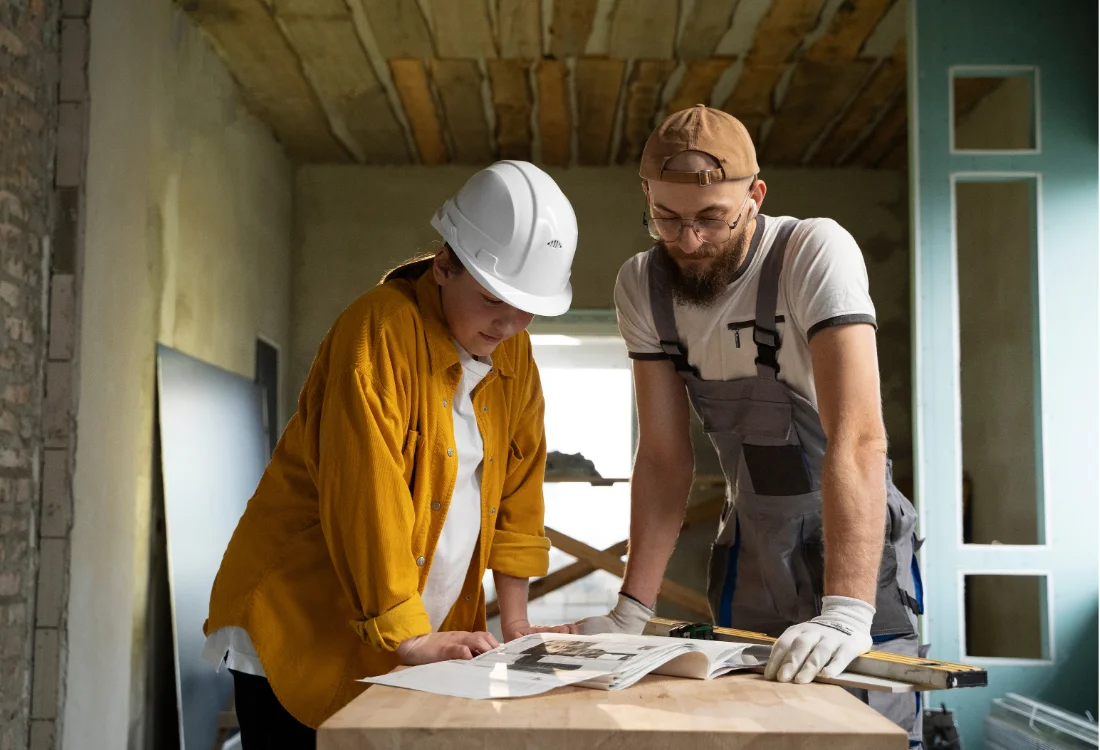
House Renovation Advice Miprenovate: A Complete Guide to Smarter Home Upgrades
House renovation advice miprenovate focuses on helping homeowners plan, manage, and complete renovation projects with confidence. A successful house renovation begins with clear goals, a realistic budget, and a step-by-step plan that reduces mistakes and improves results. Whether you want to update a single room or renovate your entire home, following proven renovation practices can save time, control costs, and improve your property’s value. This guide explains every important stage of the renovation process in simple language so you can make informed decisions from planning to completion.
Why Proper House Renovation Planning Matters
A house renovation is a major investment that affects your daily life, finances, and property value. Good planning helps you avoid unexpected costs, unnecessary delays, and design mistakes that become expensive to fix later. Every successful renovation starts with understanding your home’s current condition and identifying the improvements that will deliver the greatest benefits.
Careful planning also makes communication with contractors, designers, and suppliers much easier. Everyone understands the project’s goals when you prepare detailed plans before work begins. This organized approach keeps the renovation moving smoothly while reducing stress throughout the entire process.
Set Clear Renovation Goals Before You Begin
Every renovation project should have a clear purpose before any work starts. Some homeowners renovate to improve comfort, while others focus on increasing resale value or updating outdated spaces. Defining your priorities early helps you make better decisions throughout the project and prevents unnecessary spending on features that do not support your goals.
You should also consider your family’s future needs before creating renovation plans. A growing family may require additional bedrooms, while older homeowners may prefer accessible layouts with fewer stairs. Long-term planning ensures your renovation remains valuable for many years instead of requiring frequent changes.
Create a Realistic Renovation Budget
A well-planned budget keeps your renovation under control and prevents financial surprises. Research material prices, labor costs, permits, and additional expenses before deciding how much you can comfortably spend. Many homeowners also reserve an emergency fund to cover unexpected repairs discovered during construction.
The budget should include every stage of the renovation instead of focusing only on visible improvements. Flooring, plumbing, electrical work, insulation, painting, and cleanup all contribute to the total project cost. Tracking every expense throughout the renovation helps you stay within your financial limits.
Sample House Renovation Budget Breakdown
| Renovation Category | Typical Budget Allocation |
| Structural Repairs | 15% |
| Kitchen Renovation | 20% |
| Bathroom Renovation | 15% |
| Flooring | 10% |
| Electrical and Plumbing | 15% |
| Interior Painting | 8% |
| Fixtures and Finishes | 10% |
| Emergency Reserve | 7% |
Inspect Your Home Before Renovating
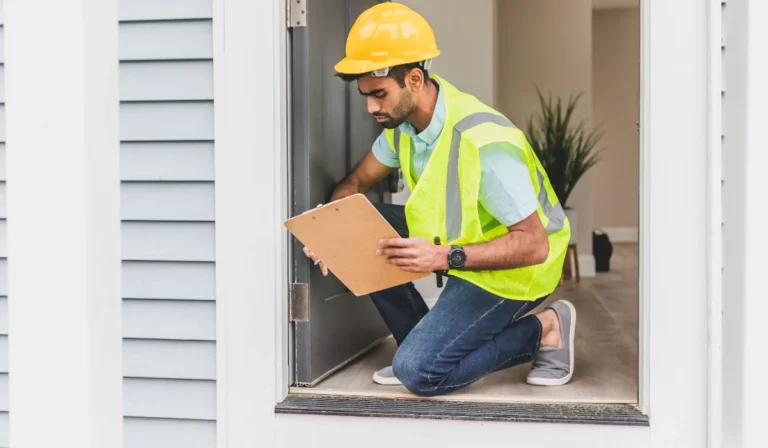
Before starting any renovation work, inspect your home’s existing condition carefully. Hidden problems such as water damage, foundation cracks, outdated wiring, and plumbing leaks can affect both the project timeline and overall budget. Identifying these issues early allows you to solve them before cosmetic improvements begin.
Professional inspections often reveal problems that homeowners cannot easily identify. Addressing structural and safety concerns first protects your investment and ensures that future improvements last much longer. A solid foundation always supports a successful renovation project.
Prioritize Renovations That Add Value
Not every renovation delivers the same return on investment. Projects that improve functionality, energy efficiency, and overall appearance usually provide better long-term value than highly customized upgrades. Kitchens, bathrooms, flooring, roofing, and windows remain among the most valuable improvements for most homes.
You should also consider improvements that reduce future maintenance costs. Energy-efficient windows, upgraded insulation, modern HVAC systems, and durable building materials help lower utility bills while increasing overall home comfort. These practical improvements benefit both current homeowners and future buyers.
Choose the Right Renovation Style
Selecting a consistent design style creates a balanced and attractive living environment. Modern, traditional, farmhouse, minimalist, and contemporary designs each offer unique characteristics that influence furniture, colors, lighting, and finishes. Choosing one primary style helps every room feel connected throughout the home.
Your renovation style should also match the home’s original architecture whenever possible. A well-balanced design improves visual appeal while maintaining the property’s character. Thoughtful design choices prevent expensive remodeling changes in the future.
Plan Every Room Separately
Every room serves a different purpose, so each renovation requires careful planning based on daily use. Kitchens should prioritize workflow, storage, and durable materials, while bathrooms should emphasize moisture resistance, ventilation, and comfort. Living areas often benefit from improved lighting, flexible furniture arrangements, and practical storage solutions.
Bedrooms should focus on relaxation by incorporating calming colors, comfortable layouts, and sufficient closet space. Planning every room individually allows you to allocate your budget more effectively while creating spaces that meet your family’s specific needs.
Improve Storage Throughout the Home
Storage often becomes one of the biggest challenges after renovation projects finish. Adding built-in cabinets, multifunctional furniture, under-stair storage, and custom shelving helps maximize every available square foot. Organized storage reduces clutter and makes daily living much more convenient.
Well-designed storage also improves the appearance of every room by keeping personal belongings out of sight. Functional storage solutions increase usability without sacrificing style, making the home feel larger and more comfortable for everyone.
Focus on Energy Efficiency
Modern renovations should include energy-efficient improvements whenever possible. Better insulation, energy-efficient windows, LED lighting, smart thermostats, and high-efficiency appliances reduce monthly utility costs while creating a more comfortable indoor environment. These upgrades continue providing financial savings long after the renovation ends.
Energy-efficient homes also appeal to many buyers who value lower operating costs and environmentally responsible living. Investing in sustainable improvements often increases both market value and long-term homeowner satisfaction.
Select Durable Building Materials
Choosing quality materials reduces maintenance requirements and extends the lifespan of your renovation. Flooring, countertops, cabinets, roofing materials, and exterior finishes should withstand daily wear while maintaining their appearance over many years. Durable materials often cost more initially but provide greater value through reduced replacement expenses.
You should also compare manufacturer warranties before making final purchasing decisions. Reliable products supported by strong warranties offer additional peace of mind throughout the life of your renovation project.
Work With Qualified Professionals
Hiring experienced professionals significantly improves renovation quality and reduces costly mistakes. Licensed contractors, electricians, plumbers, architects, and designers understand local building codes and industry best practices. Their expertise helps complete projects safely, efficiently, and according to professional standards.
Before hiring anyone, request references, verify licenses, review previous work, and compare detailed written estimates. Taking time to evaluate professionals carefully helps build trust while reducing the likelihood of disputes during construction.
Obtain Necessary Permits
Many renovation projects require permits before construction begins. Structural modifications, electrical upgrades, plumbing changes, and significant additions often require approval from local authorities. Obtaining permits protects homeowners by ensuring renovations meet applicable safety and construction standards.
Skipping permits may result in fines, project delays, insurance complications, or difficulties when selling the property later. Confirming permit requirements before work begins helps avoid unnecessary legal and financial problems.
Renovate the Kitchen for Better Functionality
The kitchen often becomes the center of every home, making it one of the most rewarding spaces to renovate. A functional kitchen combines efficient storage, durable surfaces, and a practical layout that supports daily cooking and family activities. Careful planning ensures every improvement contributes to convenience without exceeding your available budget.
When renovating a kitchen, focus on long-lasting materials and timeless designs instead of short-lived trends. Quality cabinets, durable countertops, energy-efficient appliances, and proper lighting improve both usability and visual appeal. These upgrades continue delivering value long after the renovation is complete.
Upgrade Cabinets and Storage
Kitchen cabinets influence both organization and appearance, making them an important investment during renovation. Soft-close drawers, pull-out shelves, corner organizers, and tall pantry units maximize storage while improving accessibility. Well-designed cabinets also help keep countertops clear and create a cleaner cooking environment.
Choosing durable cabinet materials reduces future maintenance and extends the lifespan of your kitchen. Neutral finishes remain attractive for many years and make future decorating changes much easier. Functional storage always contributes to a more efficient kitchen.
Improve Kitchen Lighting
Lighting affects both safety and comfort inside the kitchen. Layered lighting combines ceiling fixtures, under-cabinet lights, and task lighting to eliminate dark work areas. Bright, evenly distributed lighting also makes food preparation easier and creates a welcoming atmosphere.
Energy-efficient LED fixtures provide excellent illumination while reducing electricity consumption. Adjustable lighting options allow homeowners to create different moods for cooking, dining, and entertaining. Proper lighting completes the overall kitchen renovation experience.
Modernize Bathrooms for Comfort and Efficiency
Bathrooms benefit greatly from thoughtful renovations that improve comfort, cleanliness, and water efficiency. Replacing outdated fixtures, improving ventilation, and selecting moisture-resistant materials help create a healthier environment while reducing maintenance requirements. A well-designed bathroom also enhances everyday convenience.
Simple design choices often produce significant improvements without requiring excessive spending. Neutral colors, modern fixtures, and durable flooring create timeless spaces that remain attractive for many years. Practical improvements usually provide the greatest long-term satisfaction.
Upgrade Water Fixtures
Modern faucets, showerheads, and toilets improve both efficiency and appearance. Water-saving fixtures reduce monthly utility costs while supporting environmentally responsible living. Many newer products also include features that improve comfort and simplify maintenance.
Selecting high-quality plumbing fixtures minimizes future repair needs and improves long-term reliability. Consistent finishes throughout the bathroom create a coordinated appearance that complements the overall renovation design. Small upgrades often make a noticeable difference.
Improve Bathroom Ventilation
Proper ventilation protects bathrooms from moisture damage and mold growth. Efficient exhaust fans remove humidity quickly after showers, helping preserve paint, flooring, and cabinetry. Good airflow also creates a fresher indoor environment throughout the year.
Choosing a quiet, energy-efficient ventilation system improves comfort without increasing operating costs. Routine maintenance keeps ventilation equipment functioning effectively for many years. Moisture control remains essential in every successful bathroom renovation.
Upgrade Flooring Throughout the Home
New flooring transforms the appearance of almost every room while improving durability and comfort. Homeowners should select flooring materials based on lifestyle, maintenance needs, and room usage instead of appearance alone. Durable flooring supports long-term performance and reduces replacement costs.
Different rooms often require different flooring solutions for the best results. Moisture-resistant materials perform well in bathrooms and kitchens, while comfortable surfaces create inviting living rooms and bedrooms. Matching flooring styles throughout the home also creates a more unified design.
Improve Natural and Artificial Lighting
Lighting influences how every room feels, making it an important part of any renovation. Larger windows, skylights, reflective surfaces, and carefully positioned light fixtures brighten interiors while making spaces appear larger. Better lighting also improves productivity and everyday comfort.
Artificial lighting should support different activities throughout the home. Layering ambient, task, and accent lighting creates flexible spaces suitable for relaxation, work, and entertaining. Balanced lighting contributes significantly to a successful renovation.
Choose Interior Colors Carefully
Color selection shapes the atmosphere of every room and influences how large or small a space appears. Neutral colors remain popular because they complement different furniture styles while creating bright and welcoming interiors. Thoughtful color choices also improve long-term flexibility when updating home décor.
Accent colors can introduce personality without overwhelming the overall design. Using consistent color palettes throughout connected spaces creates visual harmony and strengthens the home’s overall appearance. Simple color combinations often produce the most timeless results.
Improve Outdoor Spaces
Exterior renovations increase curb appeal while expanding usable living space. Updating patios, decks, landscaping, walkways, and exterior lighting improves both functionality and first impressions. Attractive outdoor areas also encourage more family activities and entertaining.
Regular maintenance protects outdoor improvements from weather-related damage and extends their lifespan. Selecting durable materials designed for local climate conditions reduces future repair costs. Outdoor upgrades complement interior renovations and increase overall property value.
Avoid Common Renovation Mistakes
Many renovation problems result from rushed planning, unrealistic budgets, or poor communication. Homeowners should avoid changing project plans repeatedly after construction begins because modifications often increase both costs and completion time. Careful preparation helps prevent these common issues.
Another frequent mistake involves choosing the lowest-priced contractor without evaluating experience or previous work. Quality workmanship usually delivers better long-term value than short-term savings. Making informed decisions throughout the renovation reduces unnecessary stress and costly repairs.
Maintain Your Renovated Home
Completing a renovation marks the beginning of regular home maintenance rather than the end of responsibility. Routine inspections help identify minor issues before they become expensive repairs. Maintaining renovated areas protects both appearance and long-term performance.
Cleaning surfaces correctly, servicing home systems, and following manufacturer recommendations extend the lifespan of renovation investments. Consistent maintenance preserves property value while keeping the home comfortable and attractive for many years.
House Renovation Advice Miprenovate Best Practices
When people search for house renovation advice miprenovate, they generally want practical guidance that simplifies renovation decisions without unnecessary complexity. The most effective approach combines careful planning, realistic budgeting, quality materials, skilled professionals, and regular maintenance. Focusing on these fundamentals helps homeowners complete renovations successfully while avoiding common challenges.
Successful renovations also require patience because quality improvements take time. Making informed decisions at every stage produces better results than rushing through important choices. Following proven renovation practices increases satisfaction while protecting your investment for the future.
Conclusion
House renovation advice miprenovate is ultimately about making informed decisions that improve your home’s comfort, functionality, and long-term value. Careful planning, realistic budgeting, quality workmanship, and consistent maintenance help every renovation succeed while reducing unnecessary costs and creating a home that serves your family for years.
Frequently Asked Questions
1. What is the first step in planning a house renovation?
Start by identifying your renovation goals, evaluating your home’s condition, creating a realistic budget, and developing a detailed project plan before beginning any construction work.
2. How can I keep my renovation project within budget?
Track every expense, compare contractor estimates, prioritize essential improvements, and reserve emergency funds for unexpected repairs discovered during the renovation process.
3. Which home renovations usually add the most value?
Kitchen upgrades, bathroom remodeling, flooring replacement, energy-efficient improvements, roofing updates, and enhanced curb appeal generally provide the strongest long-term property value.
4. Why should I hire licensed renovation professionals?
Licensed professionals understand building codes, maintain quality standards, complete projects safely, and reduce the risk of costly mistakes during construction and installation.
5. How important are permits for house renovations?
Permits ensure renovation work meets local safety regulations, protects homeowners from legal issues, and prevents problems when selling the property in the future.
6. What materials should I choose for long-lasting renovations?
Select durable, low-maintenance materials with strong warranties that resist everyday wear while providing reliable performance and lasting visual appeal throughout your home.
7. How does energy-efficient renovation benefit homeowners?
Energy-efficient upgrades lower utility bills, improve indoor comfort, reduce environmental impact, and often increase the home’s market value over the long term.
8. How often should I maintain renovated areas of my home?
Inspect renovated spaces regularly, clean surfaces properly, service home systems annually, and address small repairs promptly to preserve quality and prevent expensive damage.